RITA on Alibaba




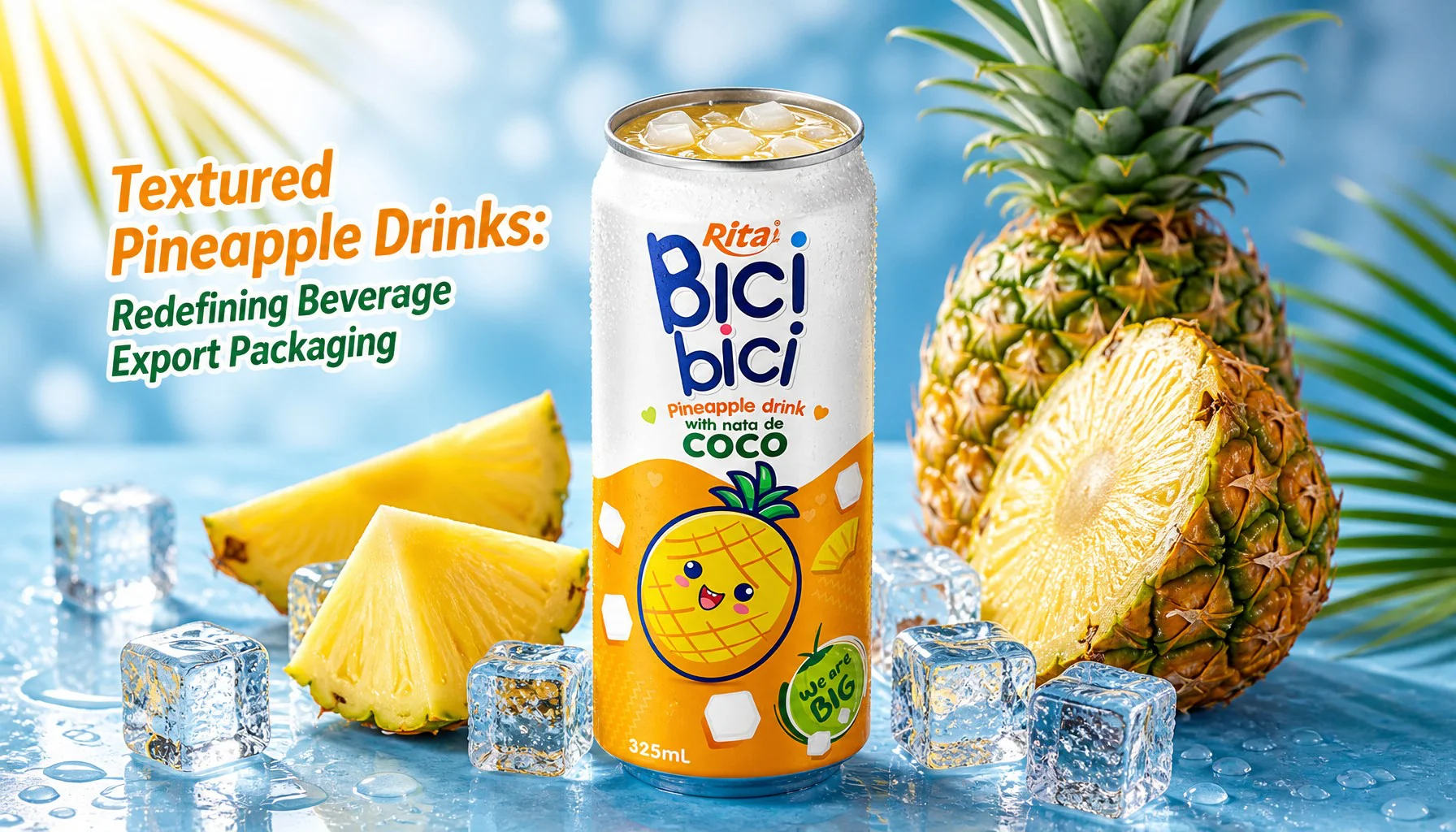
Forget plain fruit juice. The export beverage aisle is being reshaped by drinks that offer texture, novelty and a satisfying mouthfeel. One prime example is the Pineapple Drink with Nata de Coco, a tropical blend packaged in a 325ml wide-opening can that has captured attention at trade shows and among UK retail buyers.
Key Takeaways
- Pineapple nata de coco drinks are a fast-growing textured beverage subcategory.
- The wide-opening can reduces barriers to enjoying chunky drinks.
- UK demand for tropical beverages is encouraging importers to diversify.
- RITA's OEM/ODM model enables private label expansion.
The Rise of Textured Beverages in the Soft Drink Market
Consumers in England, Scotland, Wales and Northern Ireland are increasingly gravitating toward drinks with visible pieces of fruit, gel or seeds. Nata de coco, coconut jelly, chia seeds and fruit pulp are no longer limited to bubble tea shops. Ready-to-drink cans and bottles now carry these ingredients into the mainstream, and export data points confirm the momentum.
Standard liquids only deliver one sensory experience. A textured drink layers the familiar thirst-quenching refreshment with a lightly chewy, juicy bite that invites slower, more engaged consumption. For brands that want to stand out on crowded shelves, the addition of nata de coco provides immediate visual distinction and a conversation starter.
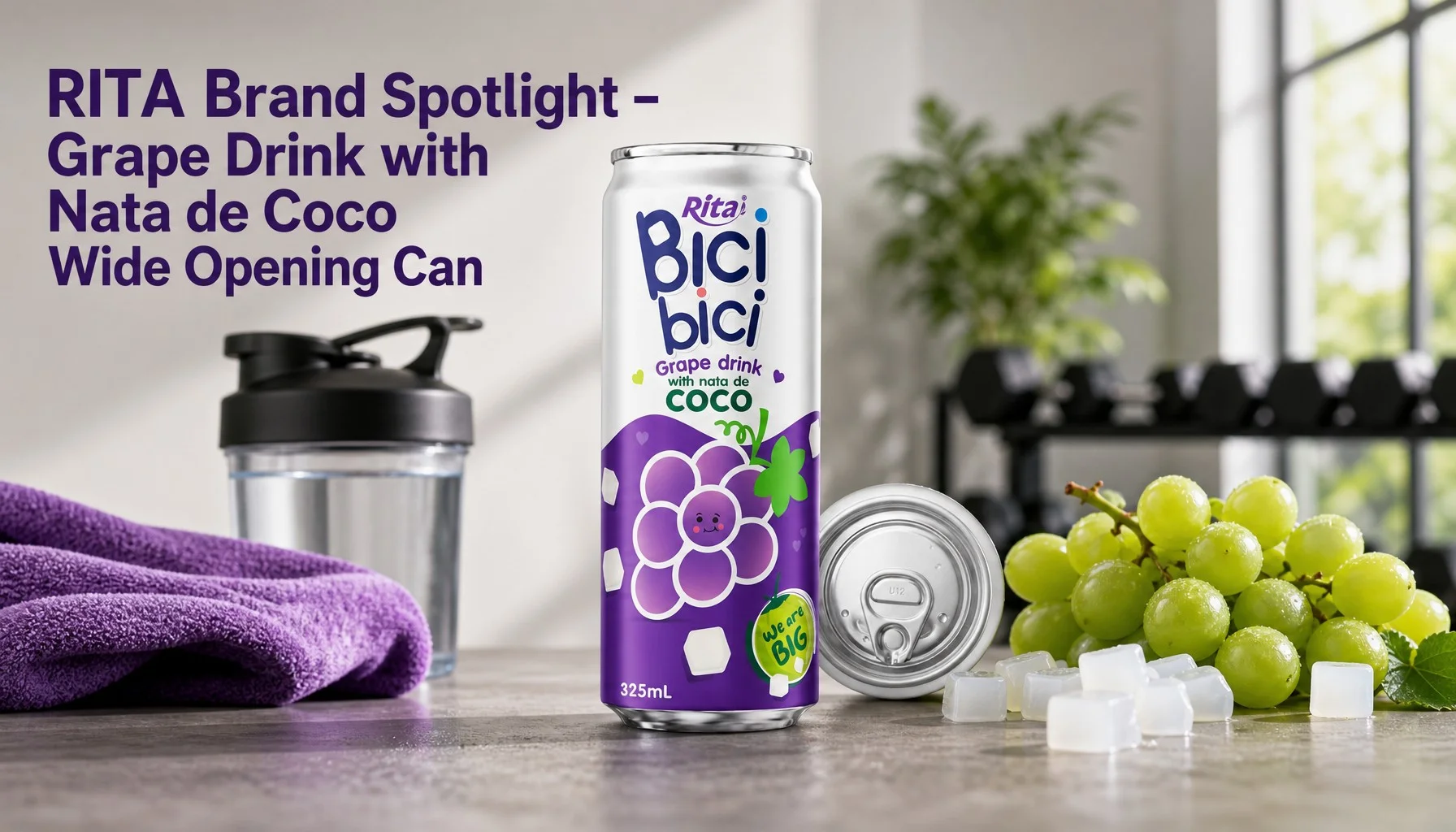
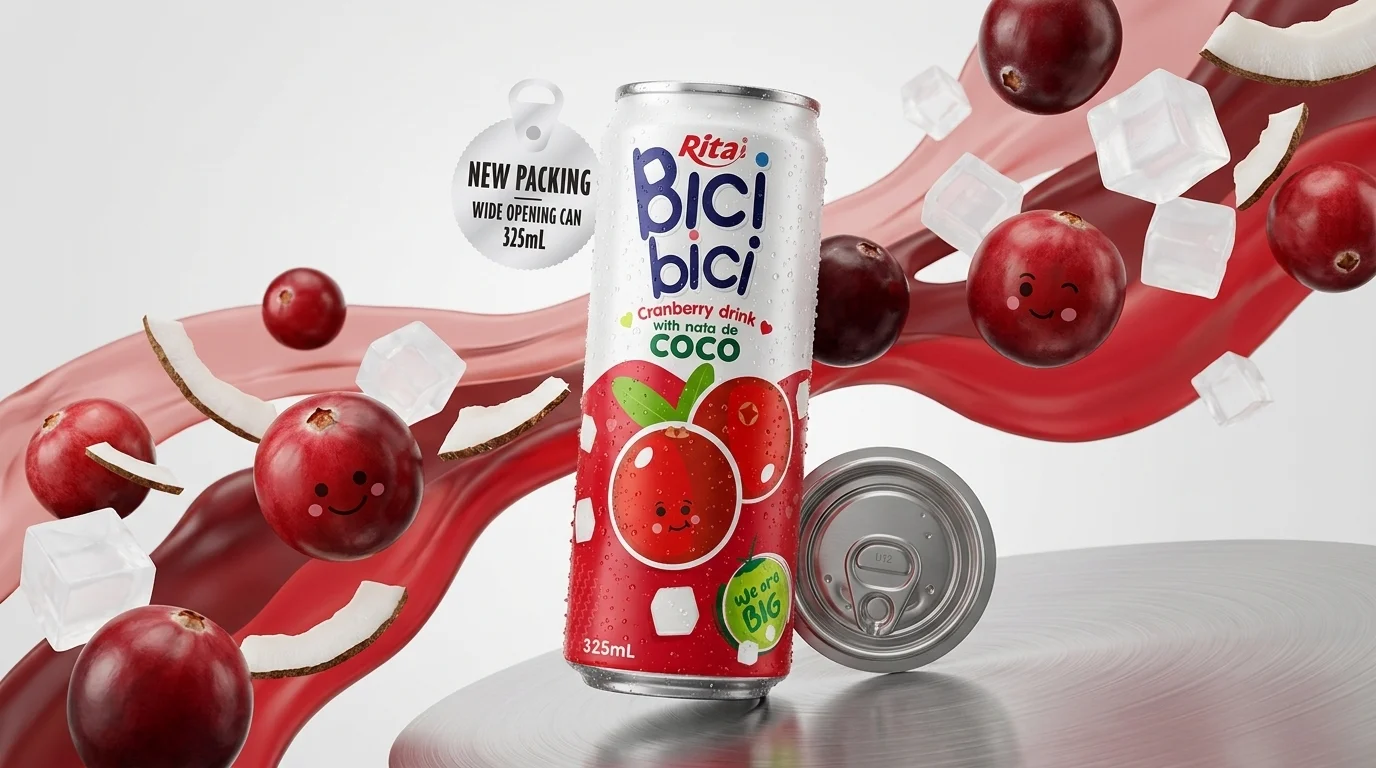
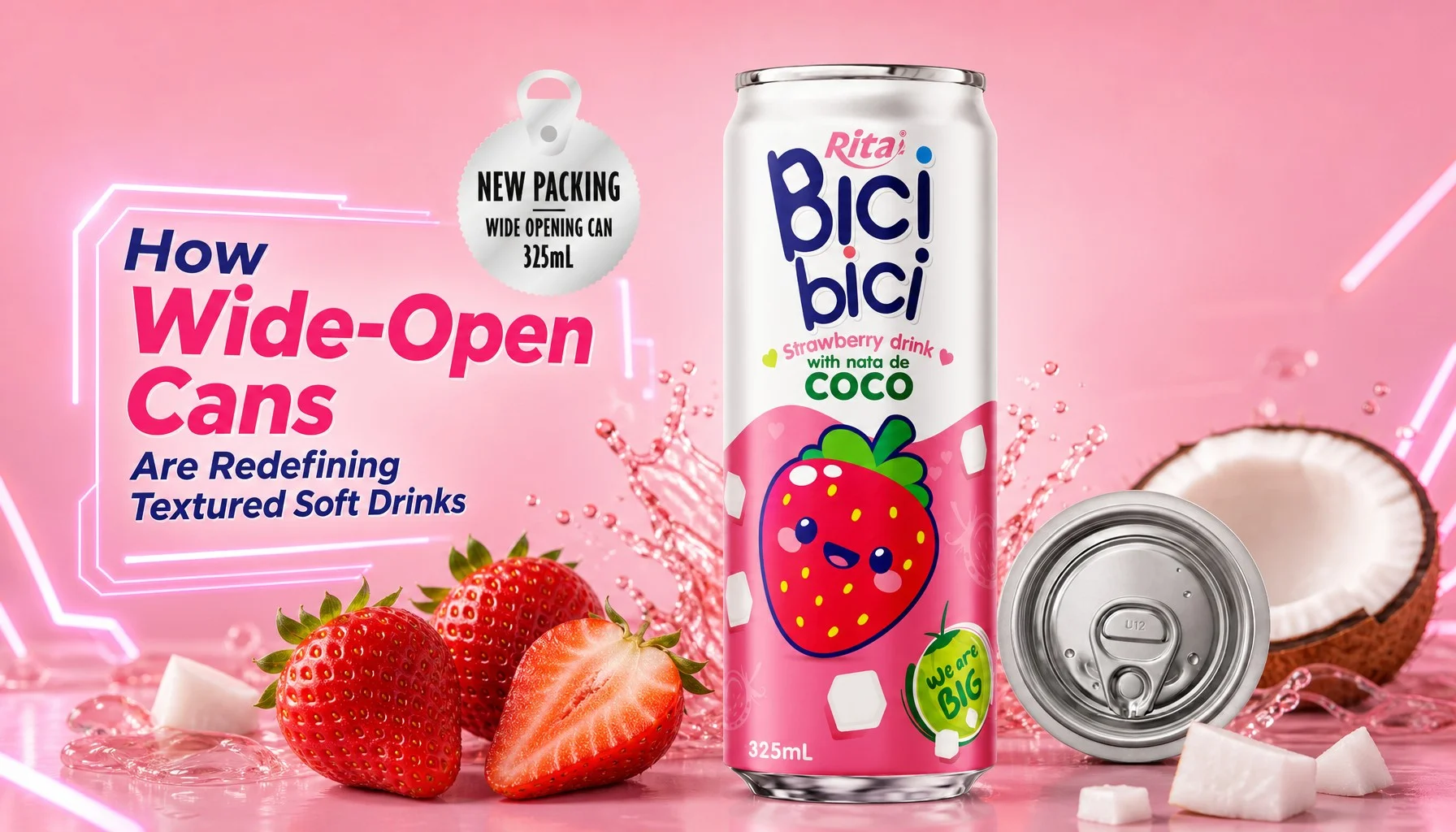
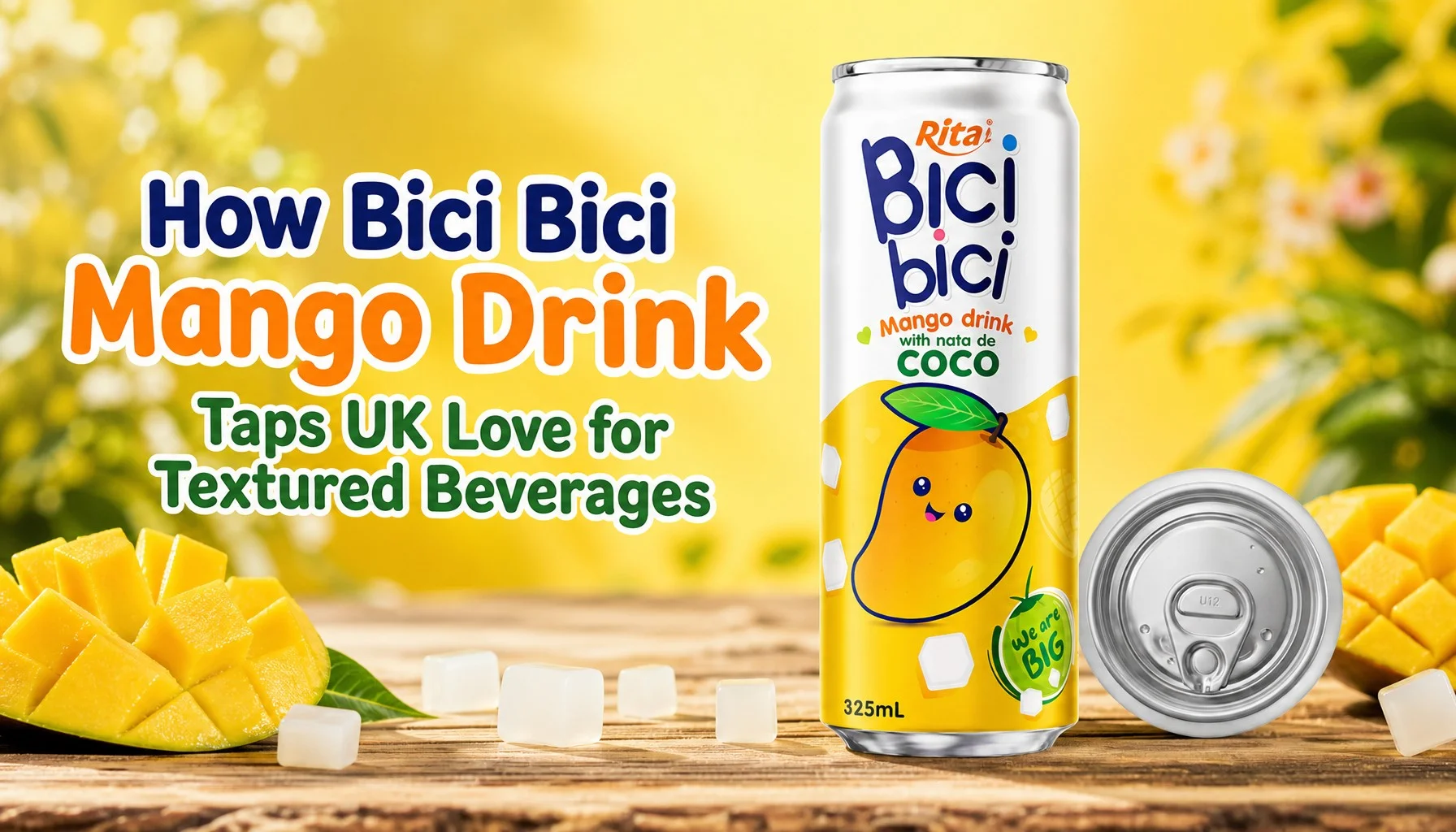
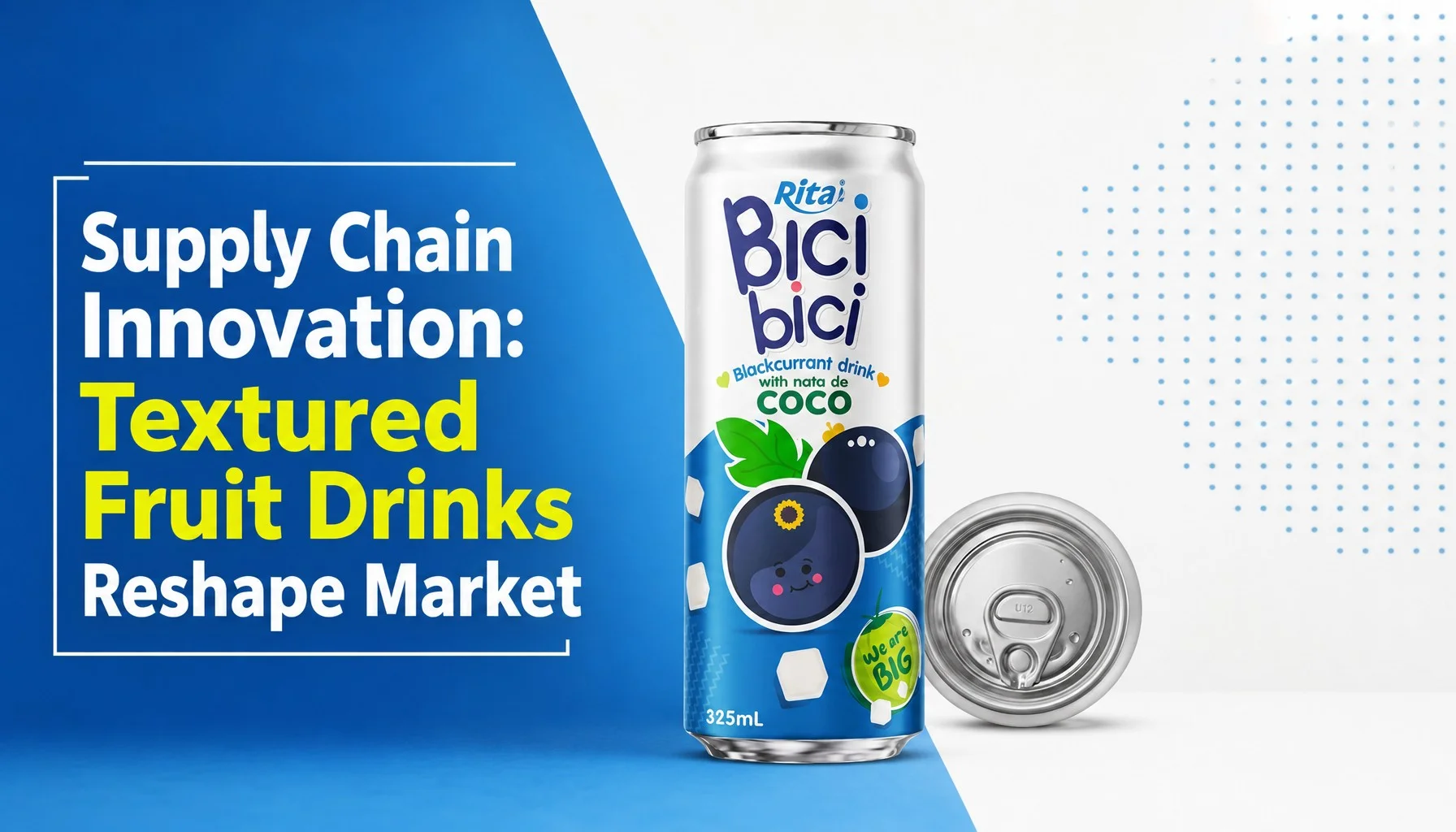
The RITA Bici Bici range is a concrete example of this shift. Its recipe pairs a bright pineapple juice base with large, chewy blocks of nata de coco. The result is an authentic tropical sipping experience, without the need for a spoon or a gel-based thickener. Retailers evaluating new soft drinks for their chilled and ambient sections are increasingly adding this format to their consideration lists.
Trade shows often feature products that attempt to be different. Few succeed in delivering true product logic. The Pineapple Drink with Nata de Coco checks the right boxes: tropical flavour, visible texture and functional packaging. It also helps that pineapple remains one of the most popular fruit flavours in both Europe and Asia.
The trend is not limited to independent importers. Global beverage giants are watching the same signals. Recent investments in soft drinks brands and the rapid expansion of canned cocktails in new markets show that packaging innovation is now a boardroom topic. For mid-sized beverage suppliers, entering the textured drinks segment before it becomes saturated could be a strategic first-mover advantage.
From Orchards to Wide-Opening Cans: Sourcing Raw Materials
Product innovation depends on reliable raw material supply. RITA builds its pineapple drinks on a sourcing network that reaches deep into Vietnam's agricultural regions. The company follows a field-to-factory philosophy, and buyers increasingly ask about traceability when placing export orders.
Pineapple Supply and Traceability
Vietnam's central and southern provinces produce pineapple year-round, offering a stable supply for beverage production. RITA's team regularly visits farms to review fruit quality and harvest timing. The company's pineapple farm story documents how ripe fruit moves from the field to the processing line without excessive delay.
Characteristic flavour comes from cultivar selection. Some pineapples are more acidic, others sweeter. RITA's R&D team works with growers to calibrate sugar levels and aroma so that each batch of finished drink meets a consistent profile. This focus on raw material is critical for international private label programs, where uniformity matters across seasonal variations.
Coconut Nata de Coco Production
Nata de coco is a fermented coconut gel that adds the unmistakable chewiness to this drink. It starts with coconut water, which is fermented with a bacterial culture to form a thick cellulose slab. These slabs are then cubed and cooked with sugar and flavourings before being packed into the drink matrix.
RITA's coconut supply chain benefits from Vietnam's strong coconut-growing tradition. The company maintains close ties with farms and processors, detailed in its coconut farm overview. That direct oversight reduces supply interruptions and supports food safety standards.
Farm-level transparency has become a differentiating factor for UK importers. With customers asking where ingredients come from, RITA's documented farm visits offer an audit trail that builds confidence. The pineapple farm and coconut processors operate under documented quality protocols that were established with international export markets in mind.
A short video from the pineapple harvest is embedded below to show the natural origin of the primary fruit. https://www.youtube.com/watch?v=E0Xek8Q6Lzo
Wide-Opening Can Design: A Practical Innovation for Thick Drinks
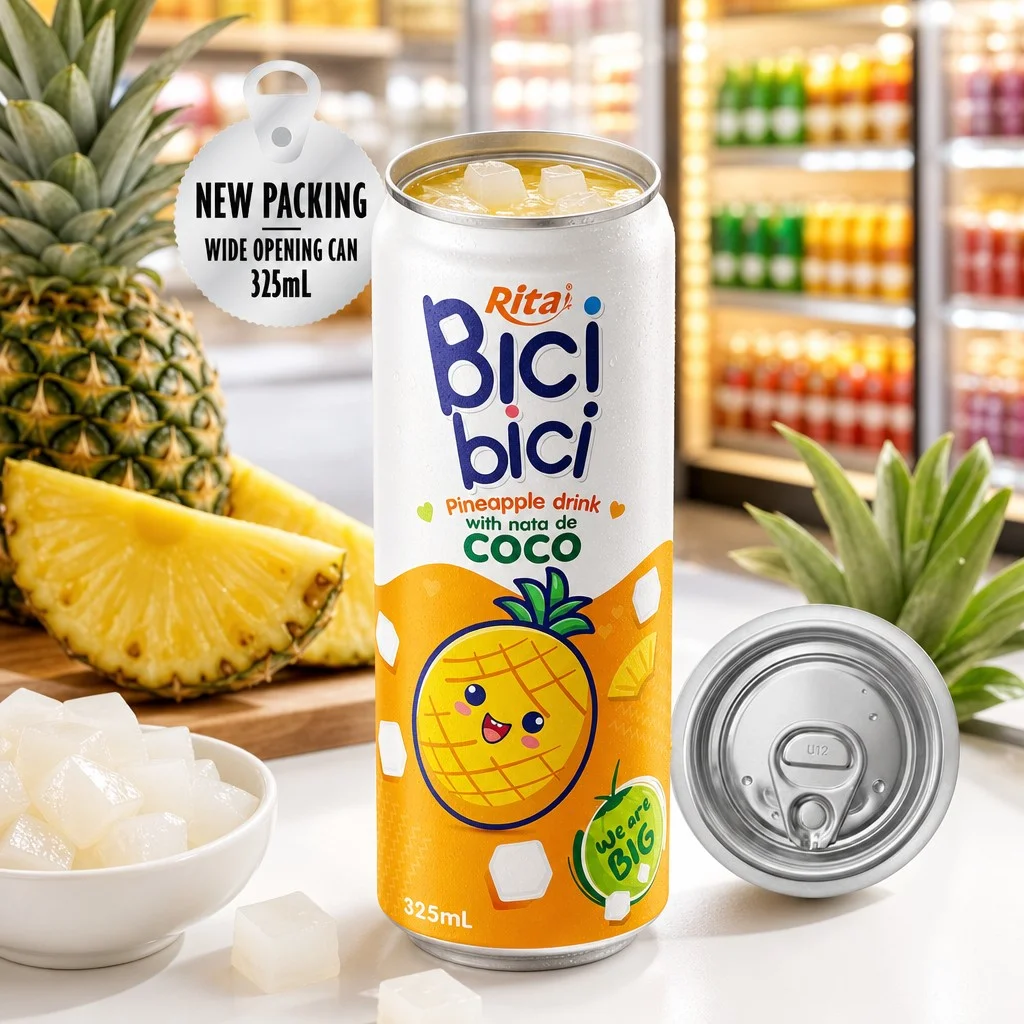
Packaging often becomes an afterthought in beverage development. For textured drinks, however, it is the most critical part of the user experience. The wide-opening can is a clever solution that removes the entire lid instead of offering a small pull tab.
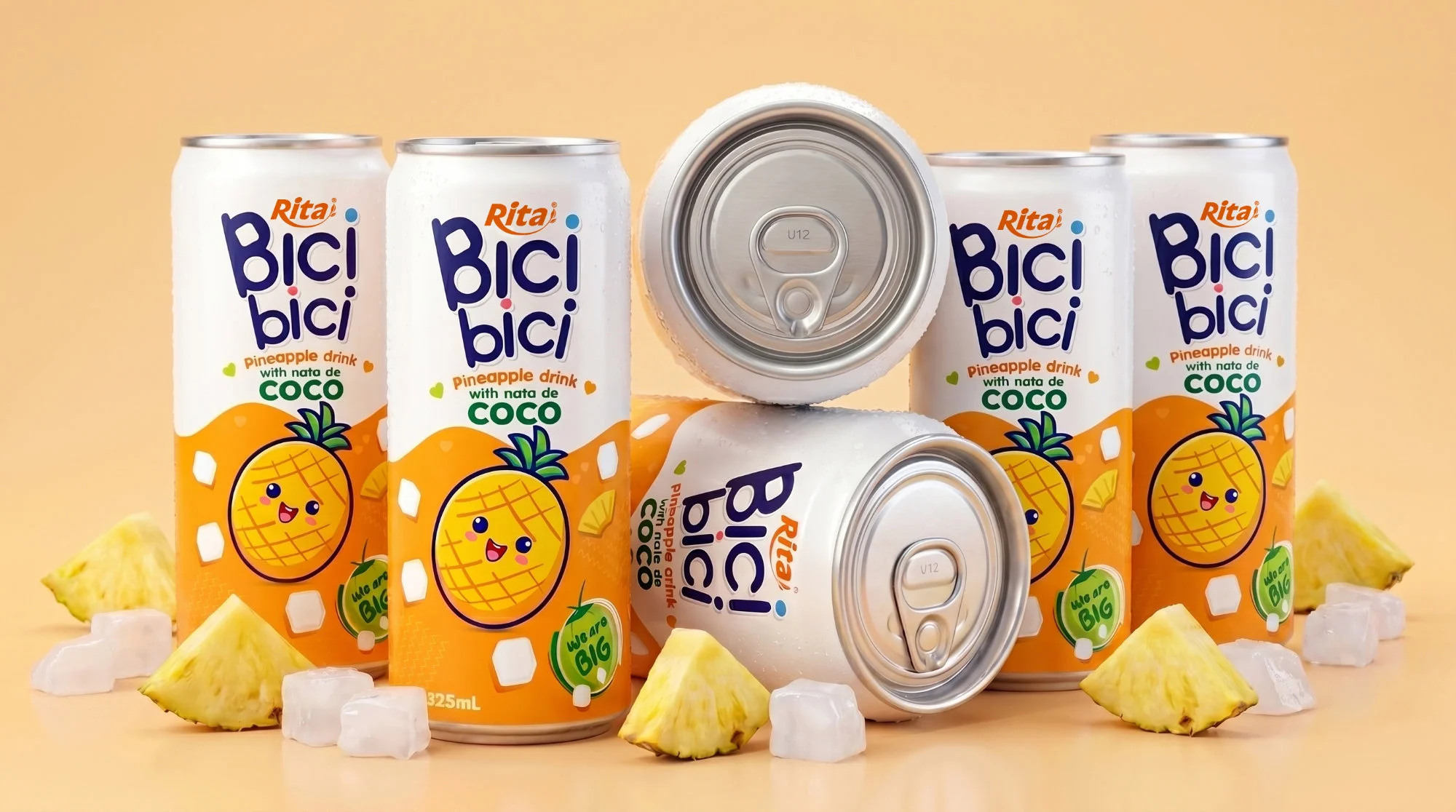
Once the full lid is removed, the can effectively becomes a cup. Consumers can sip directly, retrieve the nata de coco pieces with a small fork, or enjoy the drink on the go without struggling to fit a straw. That practical benefit is particularly valuable at outdoor events, food trucks, and family gatherings.
The 325ml portion size also hits the sweet spot between single-serve convenience and cost-effective shipping. Aluminium cans are lightweight, stackable and highly recyclable, which matters to British importers measuring their carbon footprint. In contrast, glass bottles add weight to containers and present breakage risks in transit.
Major soft drinks companies are experimenting with new can diameters and wide-mouth ends, but few have commercialised this specific format for a nata de coco beverage. RITA's Bici Bici wide-opening can demonstrates that the technology is viable at scale. For exporters, using such distinctive packaging helps listings stand apart from mainstream canned drinks.
Can-to-cup concepts are not entirely new, but they have rarely been paired with a chunky tropical drink. The combination of bright pineapple flavour, chewy coconut cubes, and a full aperture departs from typical fruit juice cans. The format invites trial, encourages word-of-mouth and makes photos look appealing on social media.
UK Importers and the Demand for Pineapple Drink with Nata de Coco
The United Kingdom is an important destination for Vietnamese beverage exporters. Its diverse population has a well-developed appetite for Asian-style drinks, and mainstream retailers are expanding their ranges of coconut and tropical products. The Pineapple Drink with Nata de Coco fits squarely into that opportunity.
Import activity has accelerated in the ready-to-drink category. UK distributors are adding lines that travel well and keep a long shelf life, and aluminium cans offer exactly those characteristics for fruit and coconut blends. Buyers active in the ethnic grocery channel report that textured drinks sell through quickly, often outperforming smooth liquids in the same price band.
Part of the appeal is that pineapple with nata de coco is not a niche oddity. Pineapple is one of the world's top five juice flavours, and coconut jelly is widely accepted in Asian cuisines. The combination feels familiar yet premium. Retailers can place the product in the mainstream soft drink aisle or in the tropical juice section without confusing shoppers.
For sourcing strategy, importers may also explore adjacent categories. RITA's fruit juice portfolio offers additional tropical blends, while its coconut water collection covers pure coconut products. Building a basket of beverages around the same supplier simplifies logistics and quality assurance.
Recent industry moves reinforce the demand for differentiated soft drinks. The investment in a UK-based CBD beverage brand and the expansion of pre-mixed canned cocktails in international markets both point to a growing appetite for ready-to-drink formats with personality. A tropical nata de coco drink offers a similar level of differentiation without relying on functional claims.
Consider these outlook indicators:
- Foodservice operators are blending nata de coco into cold drinks and bubble tea.
- Convenience retailers prefer lightweight cans for quick-chill fridges.
- Supermarkets are dedicating space to multicultural soft drink brands.
- OEM buyers want smaller minimums to test new concepts.
The UK's street food scene and Asian-inspired dessert shops have also become natural channels for canned pineapple nata de coco beverages. Importers with active foodservice contacts can use the product as a bridge between traditional juice lines and the booming boba sector. The wide-opening can enables store owners to serve the drink directly in an attractive cup-style vessel.
Building a Private Label Strategy with RITA's OEM/ODM Capabilities
RITA Food and Drink Co., Ltd, established in 2004, has grown into one of Vietnam's largest beverage manufacturers. With more than 50 automated lines and monthly exports exceeding 1,200 containers, it offers serious capacity for UK brands. The company supplies drinks to 180+ countries, and its certifications include BRC, FSSC 22000, Halal, Kosher, ISO, GMP, HACCP and SMETA.
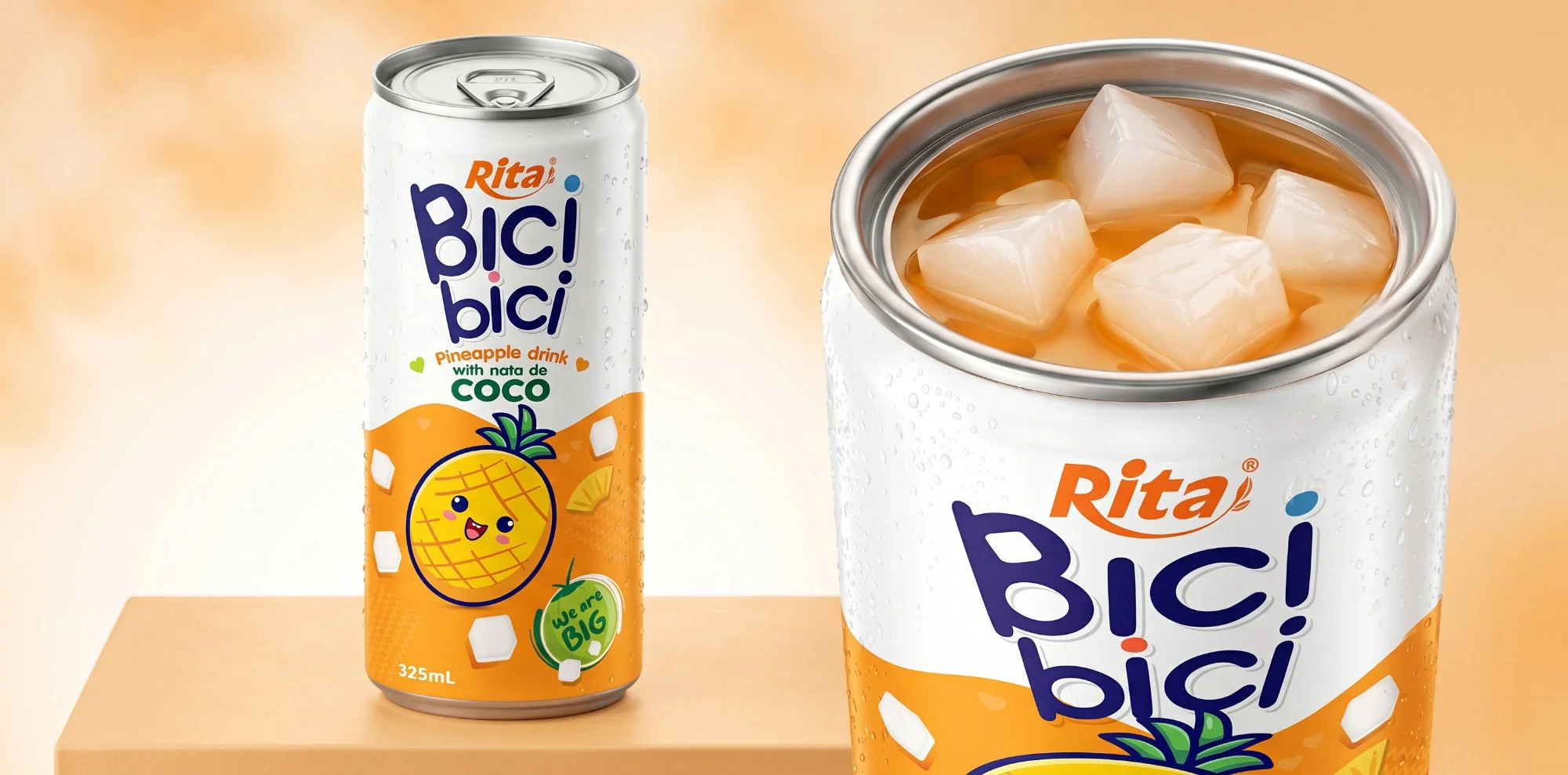
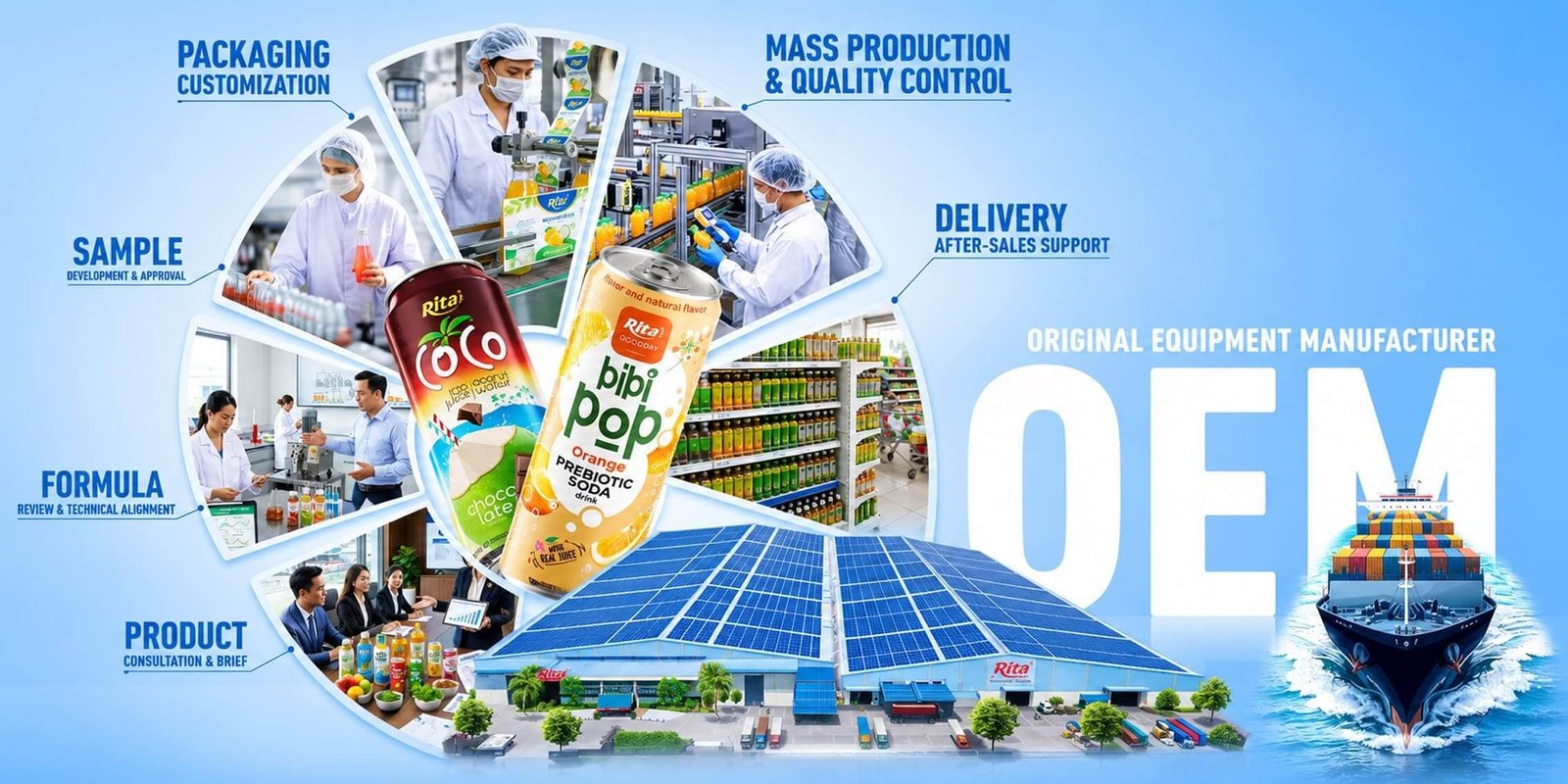
For retailers and distributors, working with RITA means they can adapt the Pineapple Drink with Nata de Coco formulation to local taste. That could mean tweaking sweetness, adjusting the size of nata de coco pieces, swapping pineapple for another fruit, or producing entirely new flavour combinations. As an OEM/ODM partner, RITA supports recipe development, packaging design and label compliance.
Many UK beverage brands are exploring co-packing to bring textured drinks to market without investing in their own factories. RITA's broad product line, which includes fruit juices, coconut water, energy drinks, tea, coffee and dairy, allows buyers to consolidate multiple SKUs from a single audited manufacturer. That kind of supply chain simplification reduces audit fatigue and helps negotiate better freight rates.
RITA also handles private label requirements for both retail and foodservice customers. Whether a brand wants a small test batch or a full container order, the company can structure production to match the go-to-market plan. With RITA, exporters can position their own niche tropical beverage without the heavy upfront cost of acquiring new machinery.
The wider beverage market is becoming more personalised. Consumers are interested in trying global flavours from brands they already trust. Having a manufacturing partner that understands both Western retail standards and Southeast Asian sourcing is a distinct advantage. RITA's continuous investment in processing technology and cold-chain packaging makes it a strong candidate for that role.
From an exporter's perspective, the combination of a proven pineapple nata de coco product and RITA's large-scale production network reduces time-to-market. Instead of developing a drink from scratch, a UK brand can customise an existing formula and launch in months rather than years. This speed is especially valuable in a soft drink landscape where new trends emerge quickly and early movers enjoy outsized shelf space.
Frequently Asked Questions
What is nata de coco in a pineapple drink?
Nata de coco is a chewy coconut gel made through bacterial fermentation of coconut water. It is added to pineapple juice to create a textured beverage experience with a slight sweetness and a mouthfeel similar to fruit jelly.
How does the wide-opening can benefit the consumer?
The wide-opening can features a full removable lid that converts the can into a cup. This design makes it easier to drink thick beverages and to access nata de coco pieces without spillage or struggling with a narrow opening.
Can RITA produce a private label version of this drink?
Yes. RITA offers OEM and ODM services, including formulation adjustments, custom flavour profiles, label artwork and packaging configurations. A UK retailer can launch its own brand using the pineapple and nata de coco base.
What certifications does RITA hold for exporting to the UK?
RITA holds BRC, FSSC 22000, Halal JAKIM, Halal HCA-GCC, Kosher, ISO, GMP, HACCP and SMETA certifications, which support compliance with leading UK supermarket standards.