RITA on Alibaba




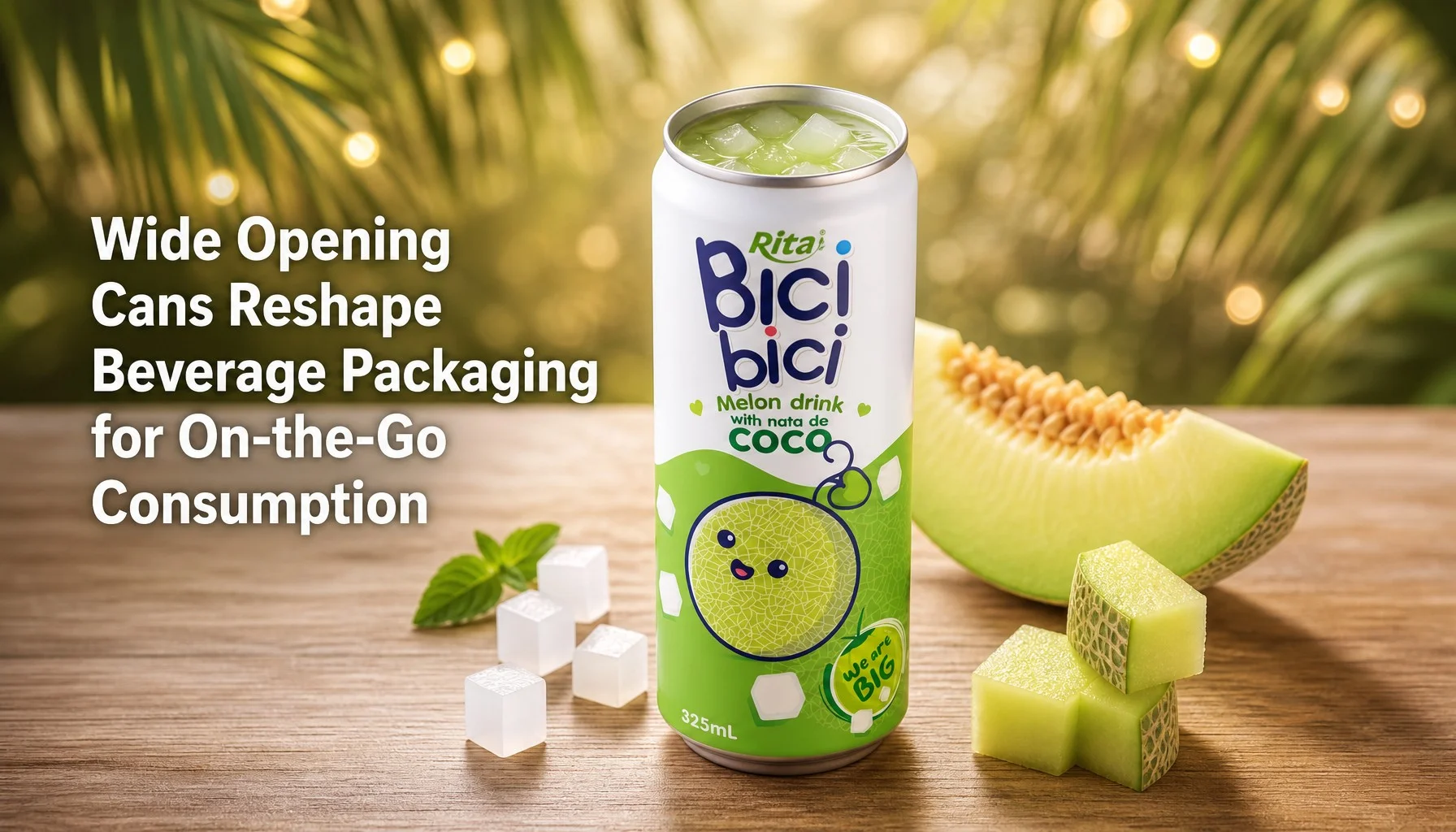
Consumers increasingly demand beverages that combine convenience, portability, and an enjoyable texture experience. The traditional beverage can—opened with a small tab and requiring a straw or pouring—often falls short when drinks contain solid inclusions like fruit pieces, jelly, or chewy toppings.
Enter the wide opening can: a full-diameter removable lid that transforms the can into a cup, allowing direct sipping and easy access to every ingredient. This innovation is rapidly gaining traction in markets such as the UK, where busy lifestyles and on-the-go consumption drive packaging evolution.
Key Takeaways
- Wide opening cans eliminate the need for straws or spoons, enhancing convenience for drinks with inclusions.
- The UK market for functional and textured beverages is growing, driven by demand for experiential drinking.
- Manufacturers like RITA are leveraging wide opening can technology to differentiate products in competitive retail environments.
- Coconut and fruit-based drinks with nata de coco are particularly well-suited to this format, offering a satisfying chewy texture.
- Private label and OEM partnerships enable brands to quickly adopt innovative packaging without large capital investment.
The Rise of Textured Beverages and the Need for Better Packaging
Beverages with added texture—such as jelly, tapioca pearls, fruit pulp, or nata de coco—have long been popular in Asian markets and are now crossing into Western consumer habits. The phenomenon of "drinkable desserts" or "bubble tea" has paved the way for more sophisticated products that offer a multi-sensory experience. However, the packaging of these products has traditionally been a challenge. Standard cans with small openings make it difficult to consume the solid inclusions without a spoon, while straws often clog or fail to deliver the larger pieces effectively.
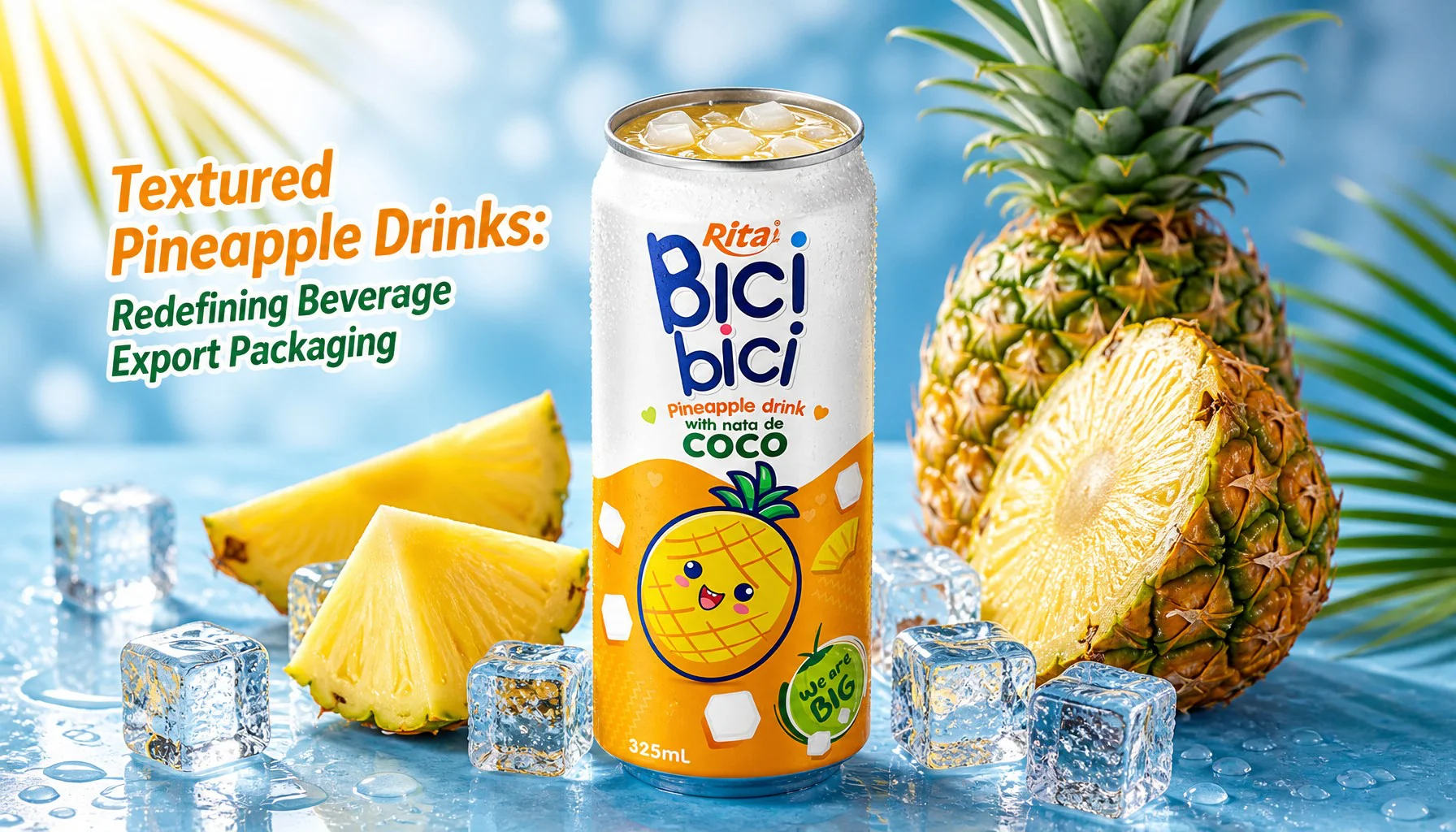
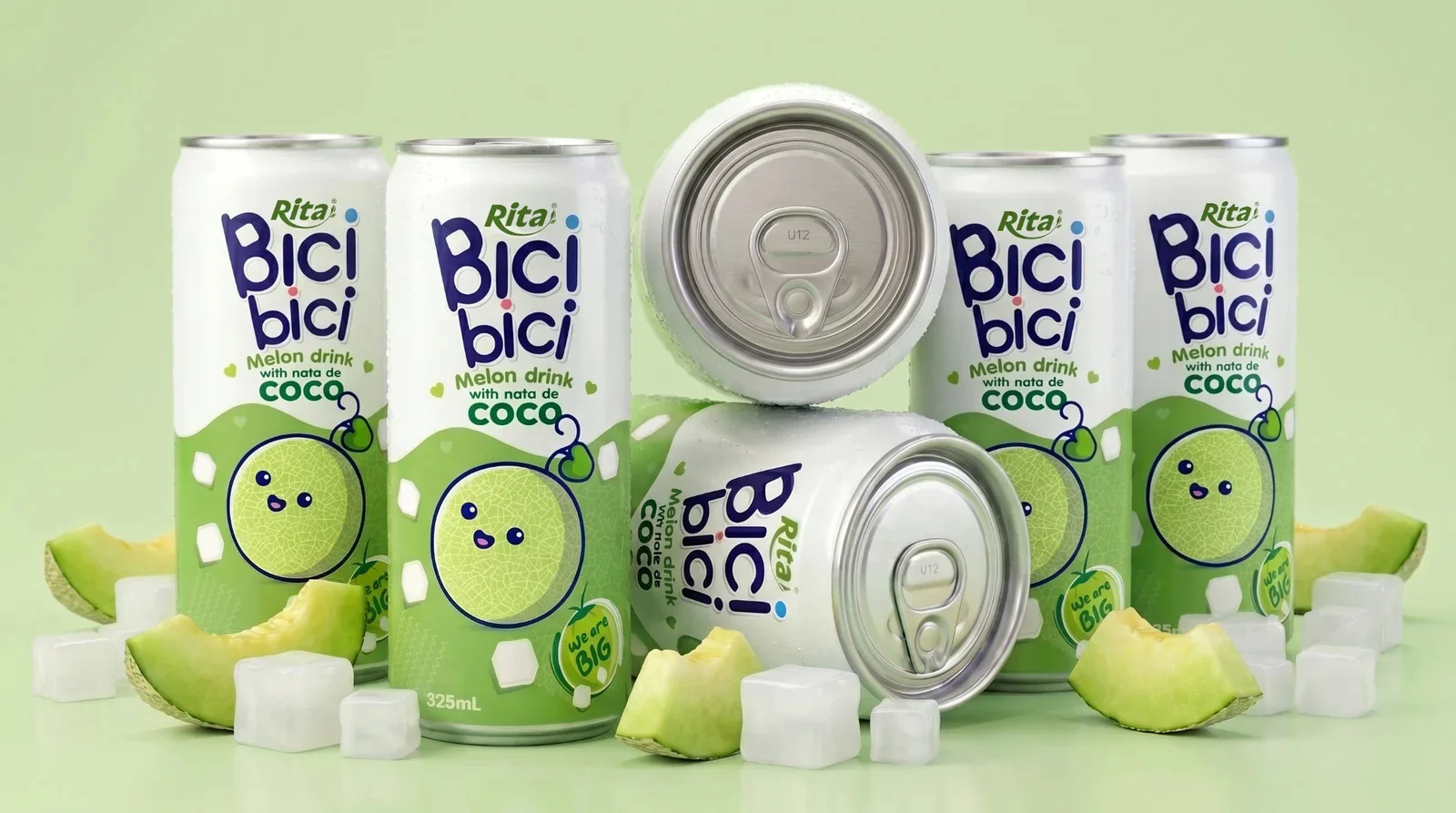
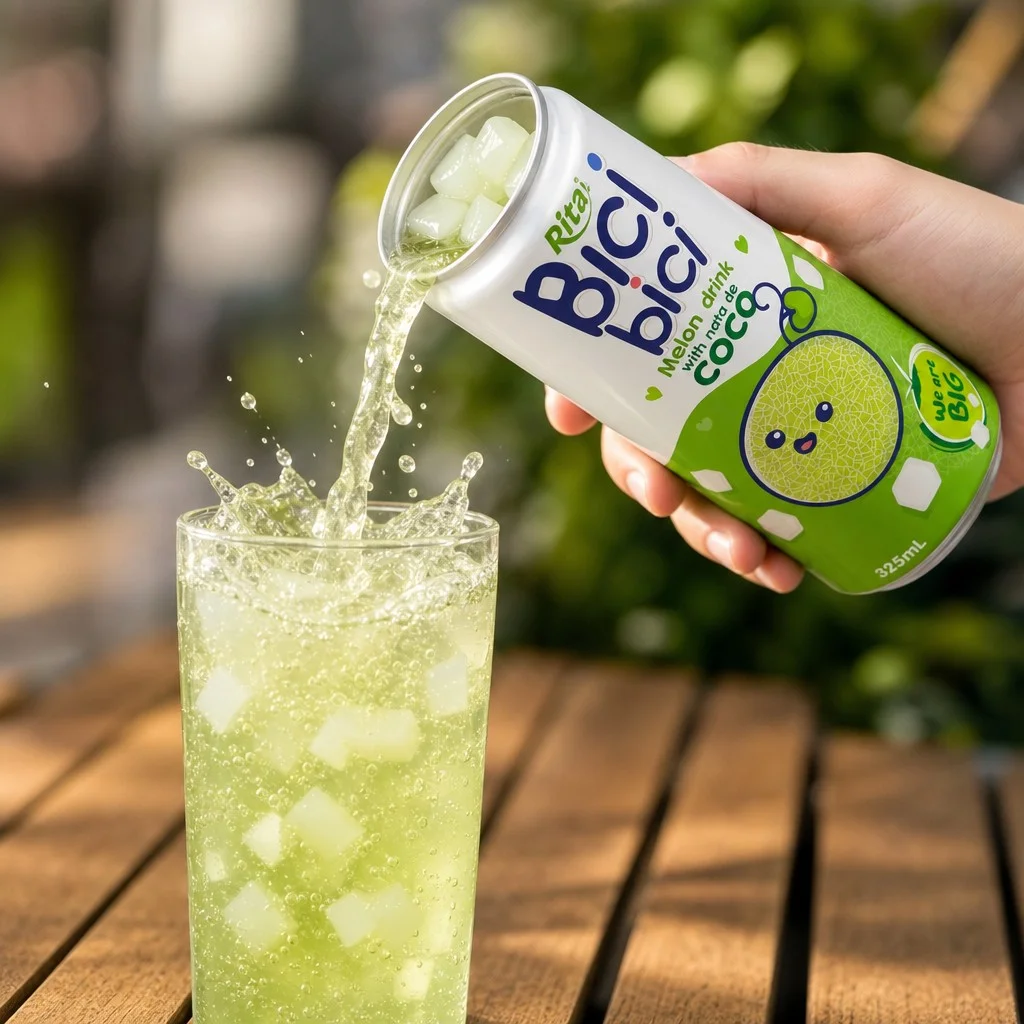
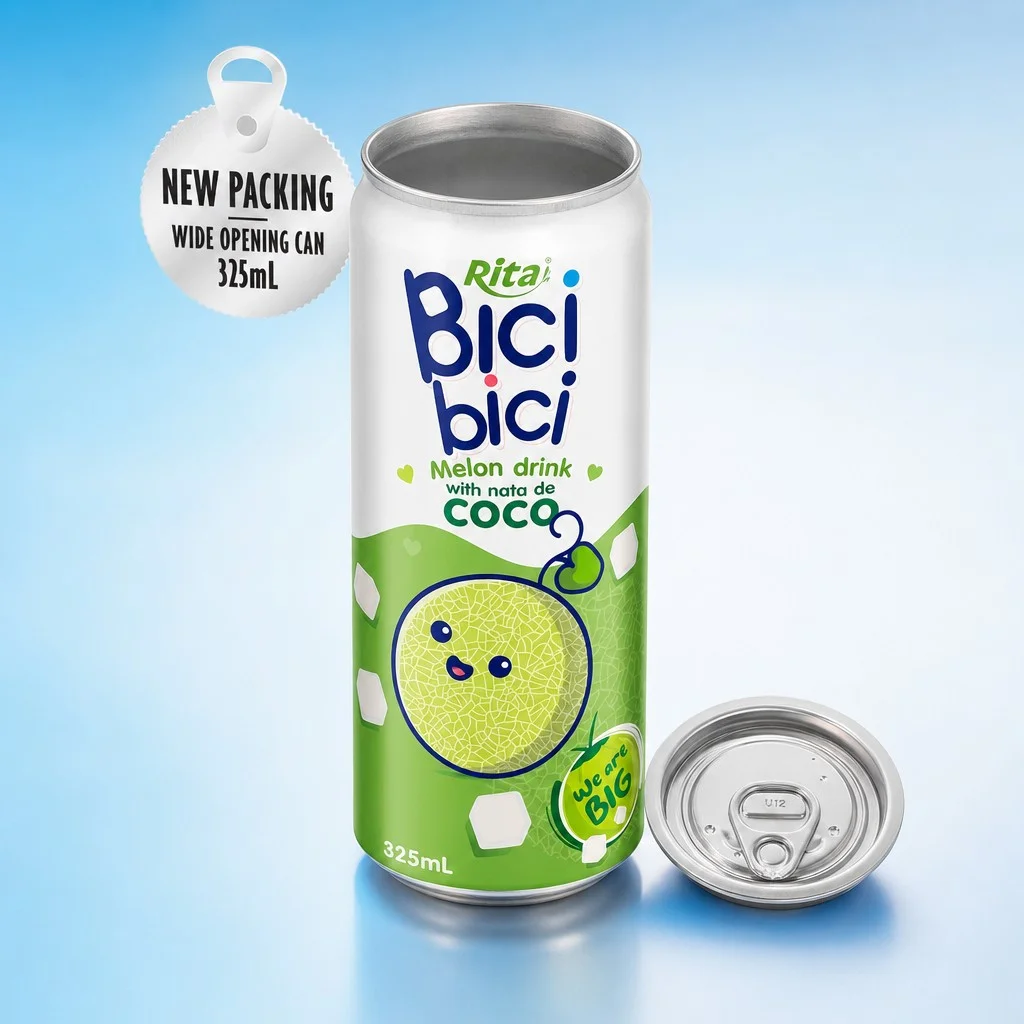
The wide opening can, also known as a full-open can or pull-off can, solves this problem by allowing the entire top to be removed. This design turns the can into a convenient cup, from which consumers can sip and scoop directly. It is especially popular for chunky fruit drinks, coconut-based beverages, and products containing nata de coco. One notable example is the Bici Bici 325ml Melon Drink with Nata de Coco, which uses a wide opening can to provide easy access to the melon liquid and chewy coconut pieces.
This design responds to the growing demand for convenience in the UK. According to a 2023 report by Mintel, over 60% of UK consumers say they buy drinks on-the-go at least once a week, and packaging that allows easy consumption without additional utensils ranks highly in purchase drivers. The wide opening can directly addresses this need, making it a key differentiator for brands looking to capture the impulse buy segment.
How Nata de Coco Elevates the Drinking Experience
Nata de coco—a jelly-like substance produced by fermentation of coconut water—has become a popular inclusion in beverages worldwide. Its neutral flavour and chewy texture add a satisfying mouthfeel without overpowering the base drink. In the UK, nata de coco is increasingly found in tropical fruit drinks, coconut water blends, and even cocktail mixers. The Bici Bici melon drink pairs the sweet, refreshing taste of melon with large pieces of nata de coco, creating a product that feels both indulgent and refreshing.
For manufacturers, the ability to deliver such a product in a wide opening can is a logistical advantage. The full opening allows the nata de coco pieces to be easily dispensed without clumping, ensuring a consistent experience in every can. This is particularly important for brands that prioritize quality and repeat purchases.
Packaging Innovation as a Brand Differentiator
In the crowded UK beverage market, packaging innovation is often the deciding factor for shelf appeal. The wide opening can stands out not only for its functionality but also for its visual impact. The large, removable lid can be printed with promotional messages or product information, while the can body offers a 360-degree canvas for vibrant graphics. The Bici Bici can, for example, features a bright green and white design with a playful melon character, making it instantly recognizable on retail shelves.
Moreover, the wide opening can is perceived as a more premium packaging option. Consumers associate the effort of removing a full lid with higher quality, similar to the experience of opening a can of tuna or a large jar. This psychological effect can justify a higher price point, improving margins for retailers and brands. The trend is particularly strong in the non-carbonated soft drink segment, where differentiation is harder to achieve through flavour alone.
RITA's Role in Bringing Wide Opening Cans to the UK Market
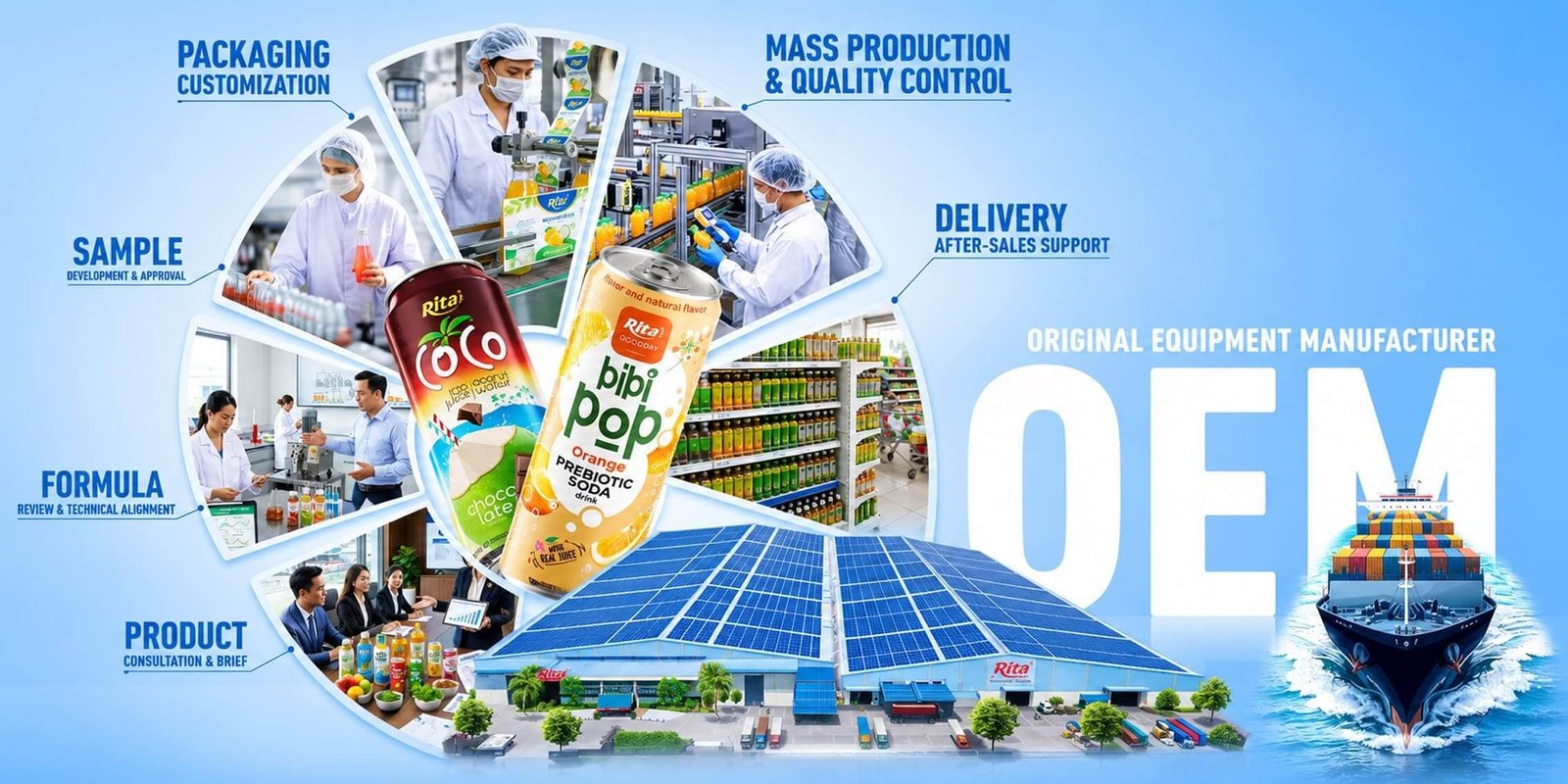
RITA Food and Drink Co., Ltd., a leading Vietnamese OEM/ODM beverage manufacturer, has been at the forefront of producing wide opening can beverages for export. The company's Bici Bici range, including the melon drink with nata de coco, is manufactured in state-of-the-art facilities with 50+ automated production lines. RITA's expertise in large-scale production and private label solutions allows UK brands to launch their own wide opening can products without significant upfront investment. The company holds certifications such as BRC, FSSC 22000, and HACCP, ensuring that all products meet the strict safety and quality standards required for the UK market.
For UK retailers and distributors, partnering with an experienced manufacturer like RITA reduces time-to-market and mitigates supply chain risks. The wide opening can format is especially suitable for the growing segment of fruit juices and coconut-based drinks, which are among the most popular fruit juice categories in the UK. RITA's OEM/ODM services also include R&D support, allowing brands to customize flavours, sweetness levels, and inclusion sizes to target specific consumer demographics.
Market Trends Driving the Demand for Wide Opening Can Beverages
The global beverage packaging market is projected to reach $450 billion by 2028, with convenience features driving a significant portion of growth. Wide opening cans are particularly well-positioned to capture share from traditional plastic bottles and tetra packs, especially in the on-the-go and impulse purchase channels. In the UK, the trend towards reduced plastic waste has also boosted the appeal of aluminium cans, which are infinitely recyclable. The wide opening can offers the same environmental benefits as standard cans while providing superior user experience.
Another factor is the rise of "functional indulgence"—consumers want products that feel like a treat but also offer perceived benefits such as hydration, natural ingredients, or low sugar. The Bici Bici melon drink, with 38 calories per 100 ml and zero fat, aligns with this trend. Its light, guilt-free profile appeals to health-conscious consumers who still crave a refreshing beverage with texture. The wide opening can enhances the perception of a fresh, just-opened product, which is critical for maintaining quality during transportation and storage.
Export Opportunities for UK Buyers
The UK is a major importer of tropical beverages, and the wide opening can format is particularly popular for products sourced from Southeast Asia. RITA exports to over 180 countries, and its coconut products are highly sought after for their quality and consistency. For UK importers, the ability to offer a wide opening can melon drink with nata de coco opens up new distribution channels, from convenience stores to vending machines and food service. The 24-month shelf life of the Bici Bici product also makes it suitable for export logistics, ensuring that the product arrives fresh and ready to sell.
From Our Orchards: Raw Material Sourcing for Melon and Coconut
RITA sources its fruit raw materials from carefully selected farms in Vietnam, particularly the Mekong Delta region, which is known for its fertile soil and tropical climate. The melon used in the Bici Bici drink is harvested at peak ripeness to ensure natural sweetness, while the nata de coco is produced from fresh coconut water in a controlled fermentation process. This commitment to high-quality raw materials is a key reason why RITA's products consistently meet international standards.
The Mekong Delta Fruit Farm is a vital source of tropical fruits for RITA, providing a steady supply of melons, coconuts, and other ingredients. The farm's sustainable practices and traceability systems ensure that every batch of raw material meets the company's stringent requirements.
https://www.youtube.com/watch?v=jiBixXjeG8A
This farm-to-can approach not only guarantees freshness but also supports local farming communities in Vietnam. For UK buyers, traceability is increasingly important, and RITA's integrated supply chain offers full transparency from field to finished product.
Frequently Asked Questions
What is a wide opening can?
A wide opening can is an aluminium can with a fully removable lid, allowing the entire top to be pulled off. This turns the can into a cup, making it easier to drink beverages containing solid inclusions like nata de coco or fruit pieces without a straw or spoon.
How does the Bici Bici melon drink taste?
The drink features a sweet melon flavour with a light, refreshing profile. It contains large pieces of nata de coco that add a chewy texture, creating a satisfying drinking experience.
Can I buy the Bici Bici melon drink in the UK?
Yes, the product is available through importers and distributors. For more details, visit the product page at Bici Bici 325ml Melon Drink with Nata de Coco (Wide Opening Can).
Does RITA offer private label services for this product?
Yes, RITA provides OEM/ODM services, including custom formulation and packaging. Brands can work with RITA to create their own wide opening can beverages with melon, nata de coco, or other tropical ingredients. Contact us through the OEM Service page for more information.
What certifications does RITA hold?
RITA is certified with BRC, FSSC 22000, HALAL, Kosher, ISO, GMP, HACCP, and SMETA, ensuring that all products meet global safety and quality standards.
This article was written to provide news and market insights into the wide opening can trend. The featured product, the Bici Bici 325ml Melon Drink with Nata de Coco, serves as an example of how innovation in packaging can meet consumer demand for convenience and texture. UK retailers and distributors interested in this format are encouraged to explore the fruit juice catalog and coconut products for further opportunities.