RITA on Alibaba

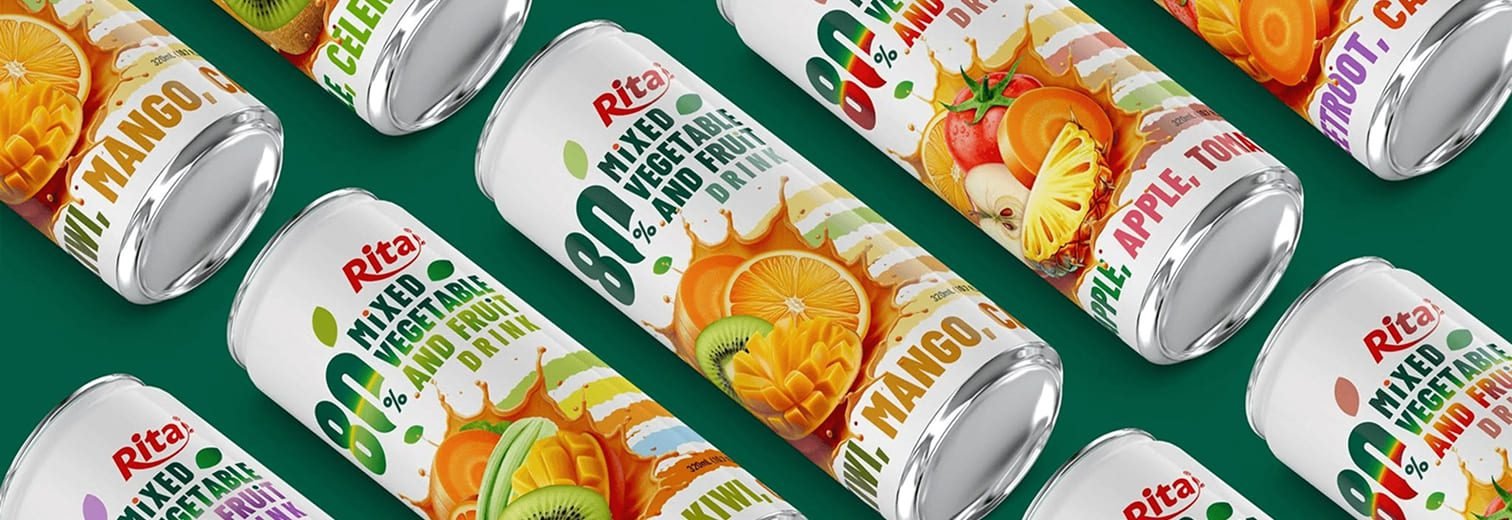



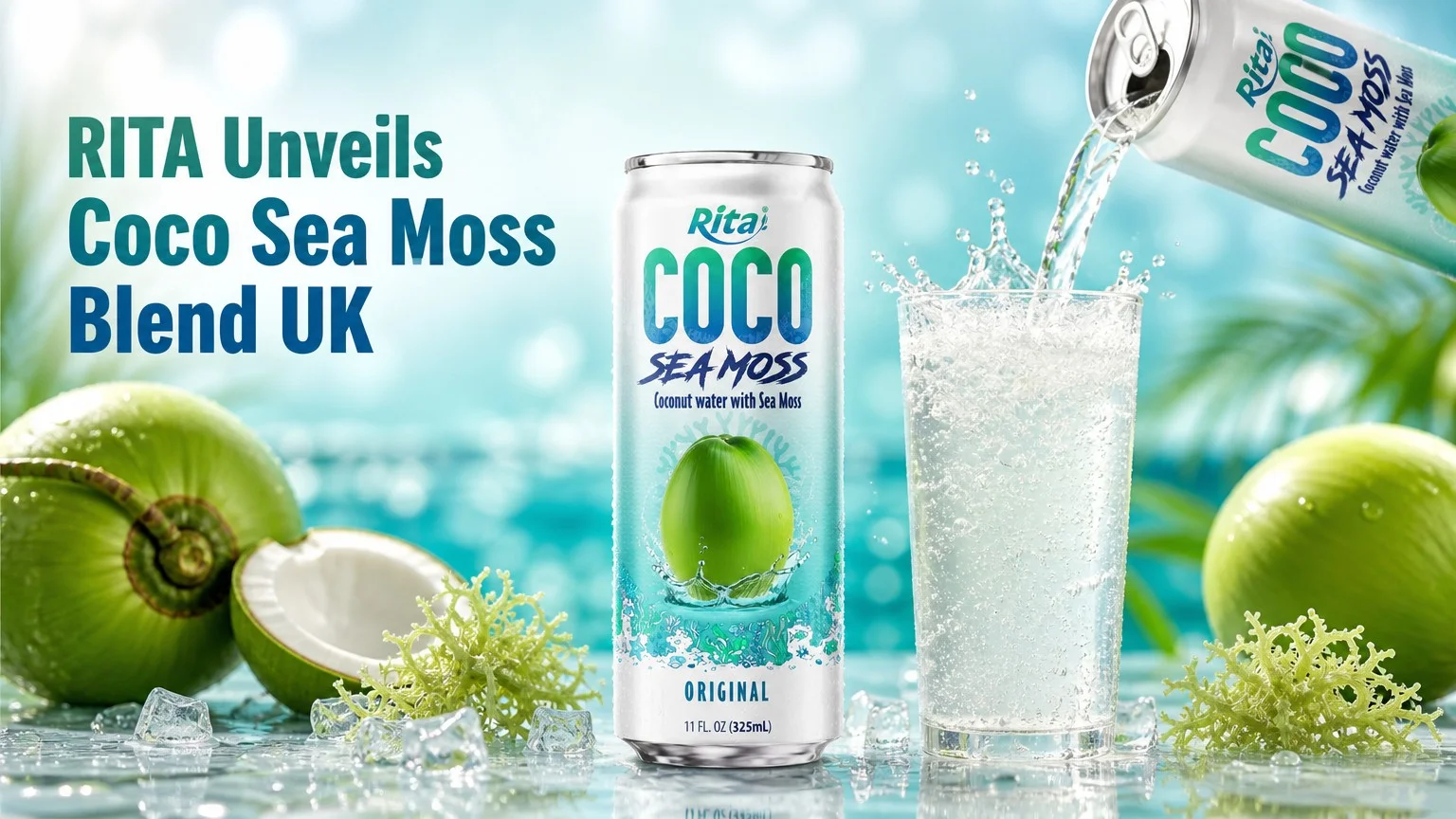
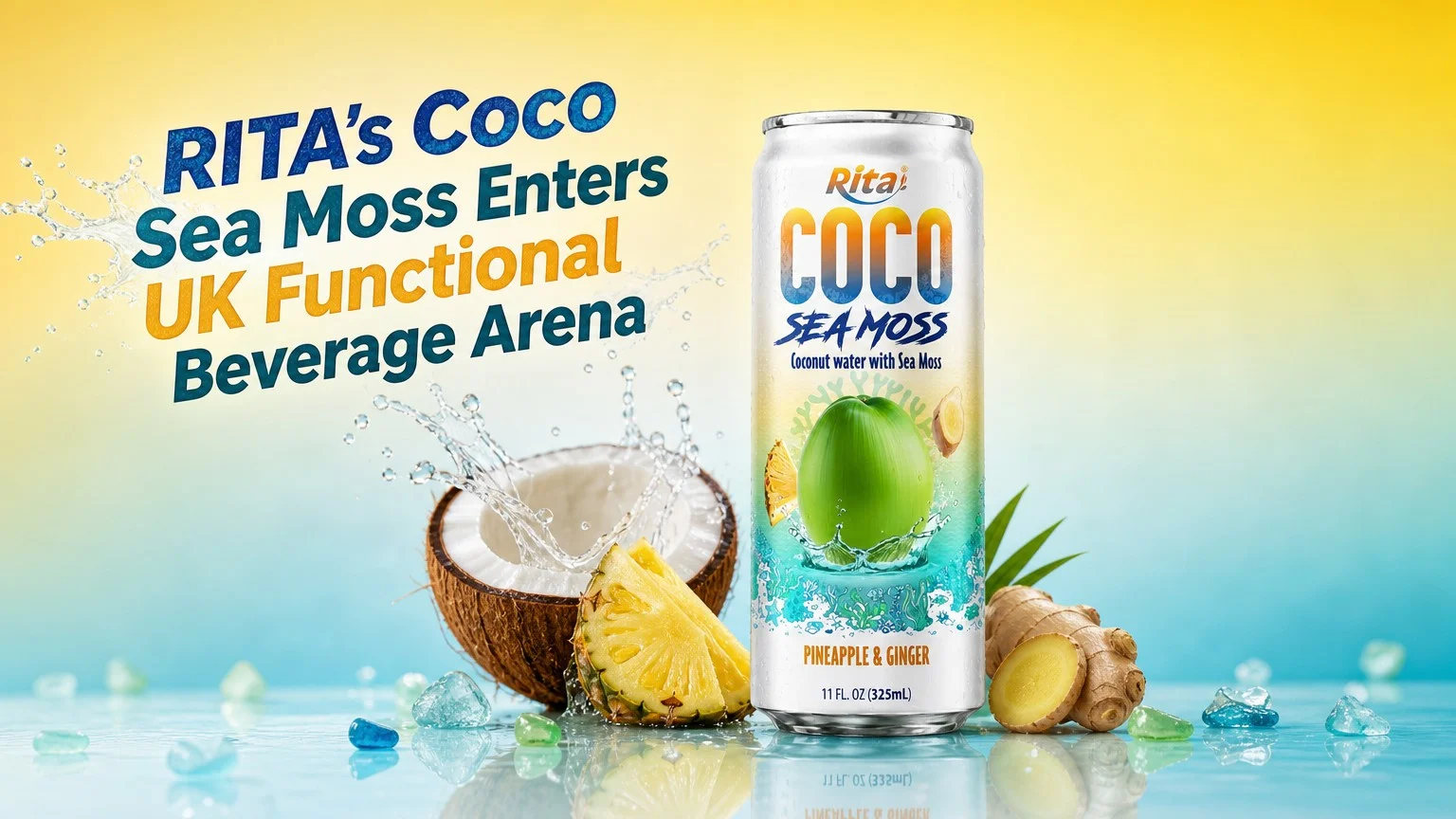
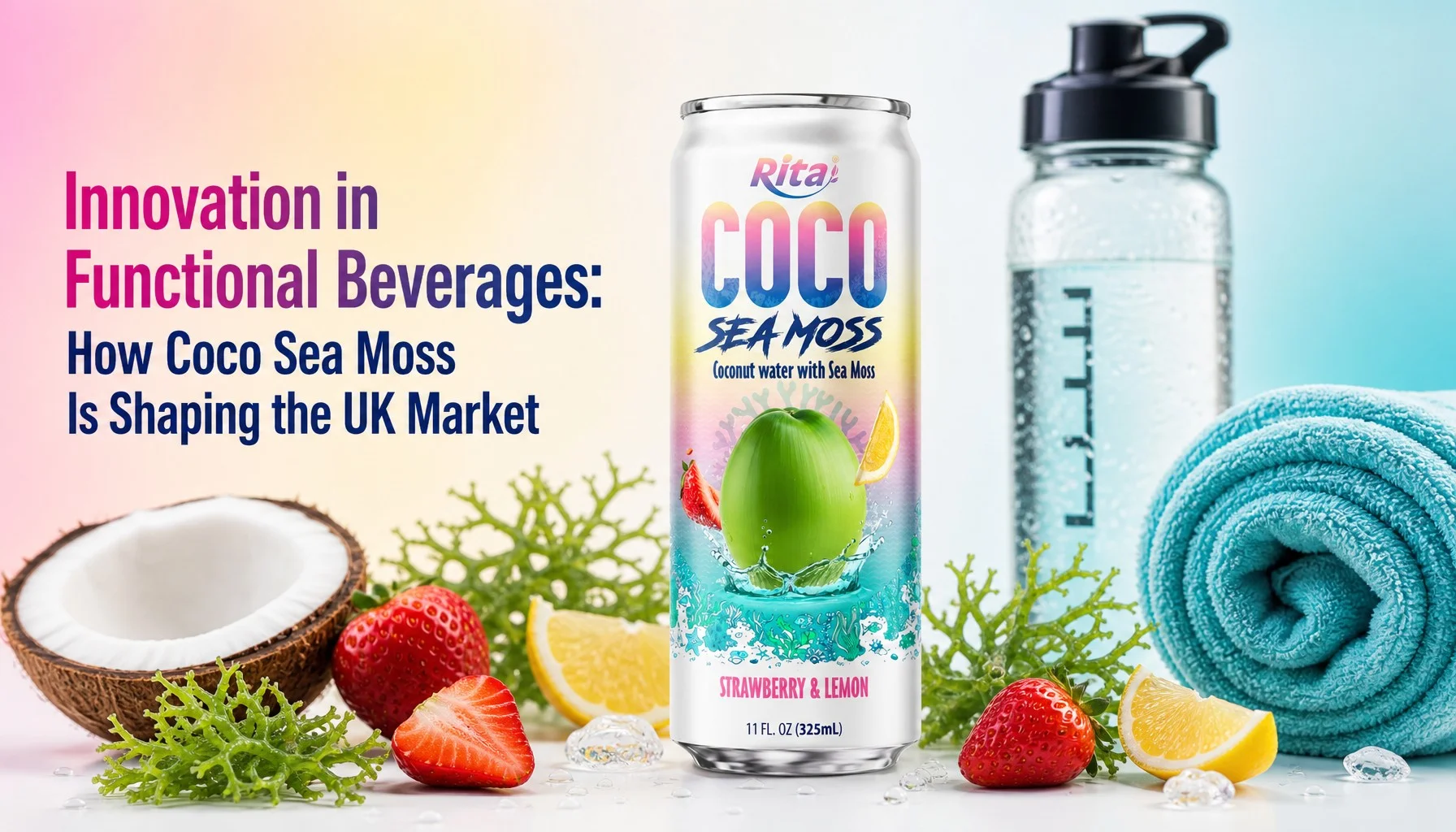
In a strategic move to capture the growing demand for novel and functional beverages, RITA Food and Drink Co., Ltd. has introduced its Coco Sea Moss Coconut Water with Sea Moss 325ml Sleek Can to the competitive UK retail landscape.
This product launch signifies a calculated entry into a segment where consumer curiosity for unique flavour profiles and plant-based ingredients intersects with a desire for convenient, on-the-go refreshment. The sleek can format is designed to appeal to modern shoppers seeking both novelty and familiarity in their beverage choices.
Key Takeaways
- RITA introduces a unique blend of coconut water and sea moss flavour in a sleek 325ml can for the UK market.
- The product targets wellness-conscious consumers and retailers looking for distinctive, plant-forward beverages.
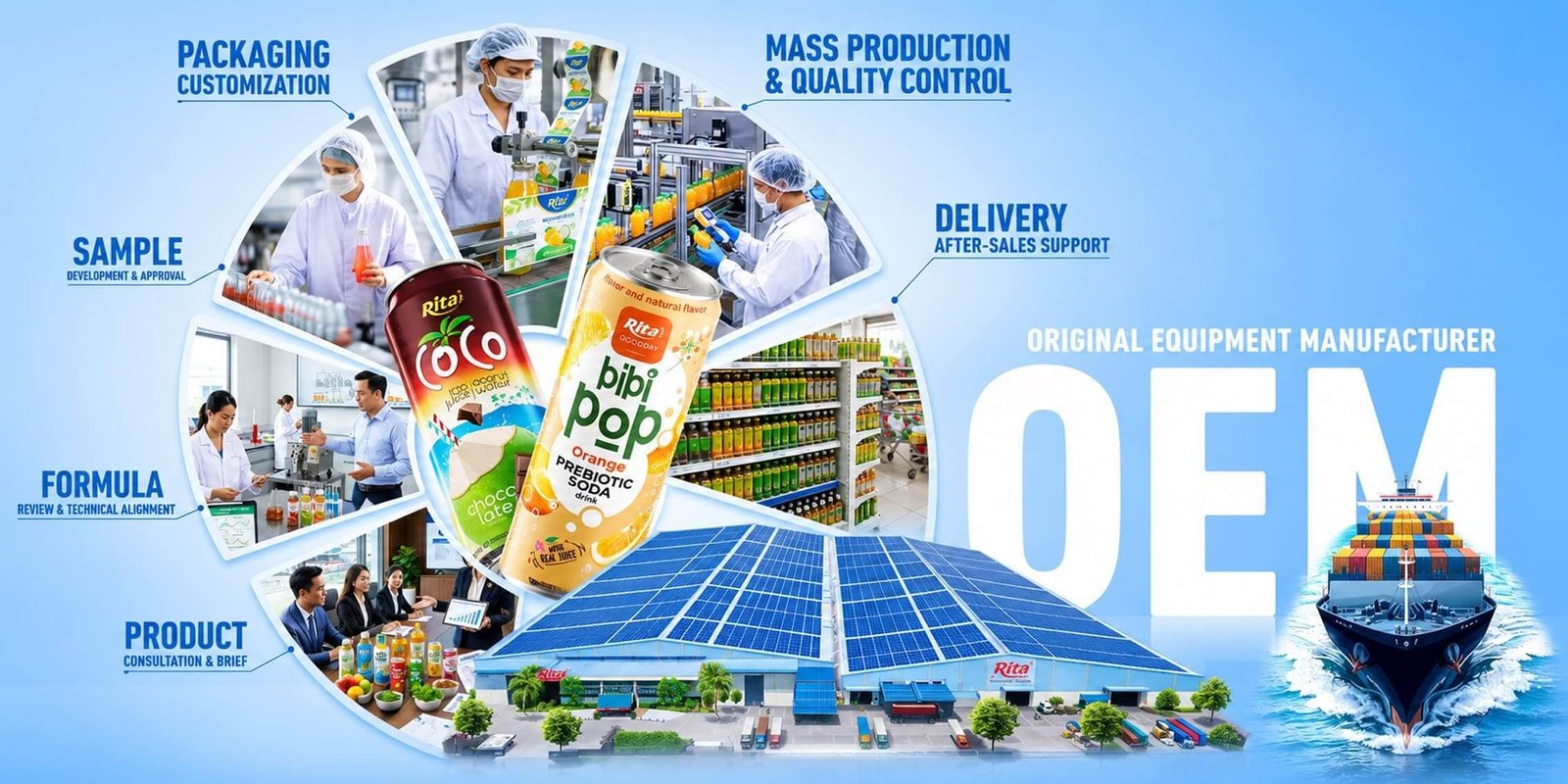
- Backed by RITA's extensive OEM/ODM capabilities and global export infrastructure, the launch underscores a focus on scalable, quality manufacturing.
- Market entry aligns with broader trends toward lighter, flavour-enhanced alternatives to traditional soft drinks.
A New Contender in the UK Functional Beverage Space
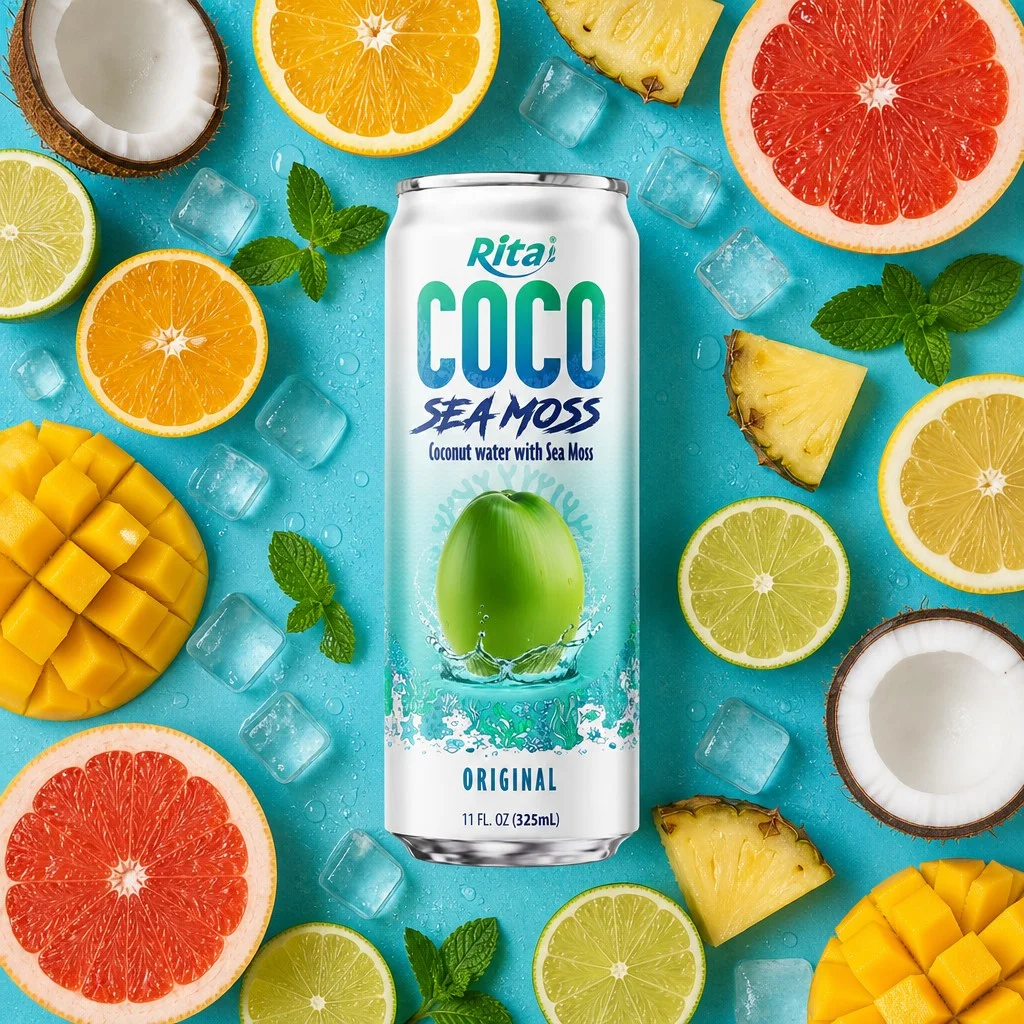
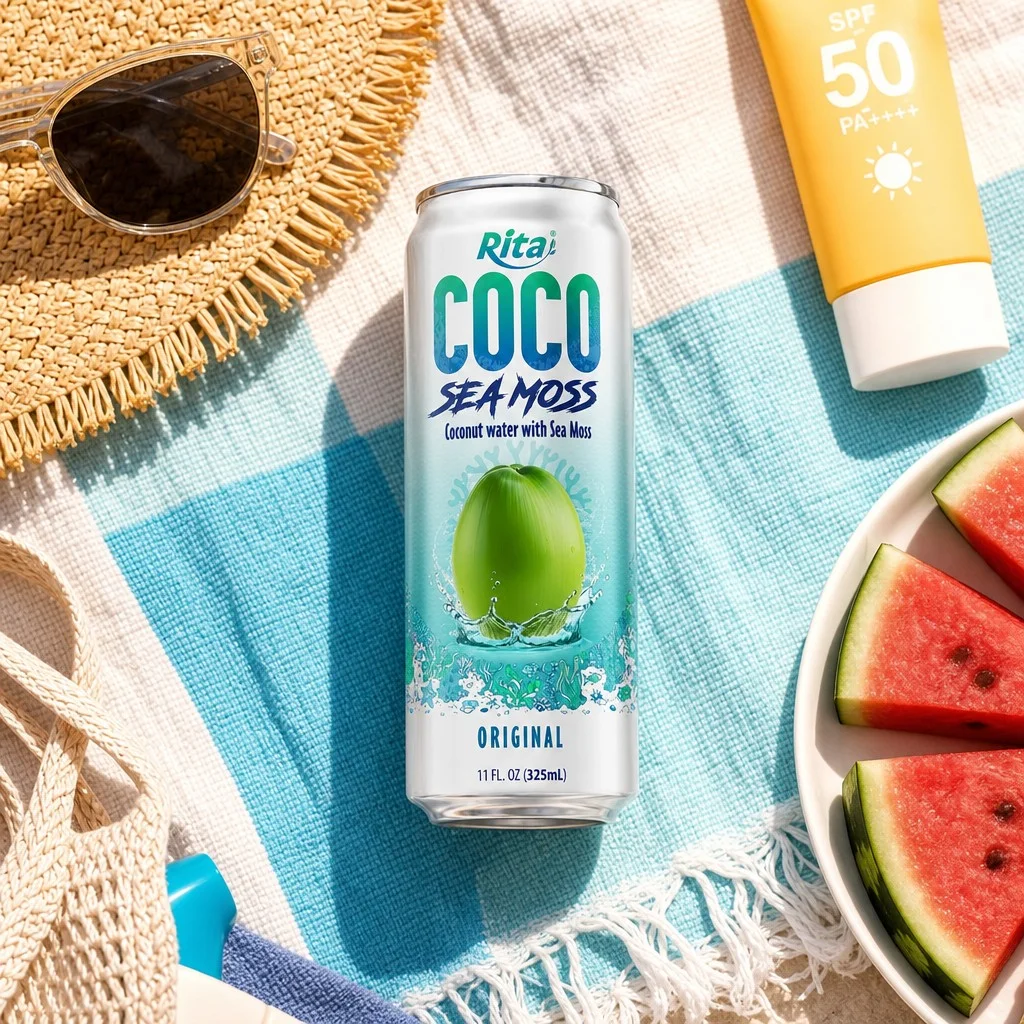
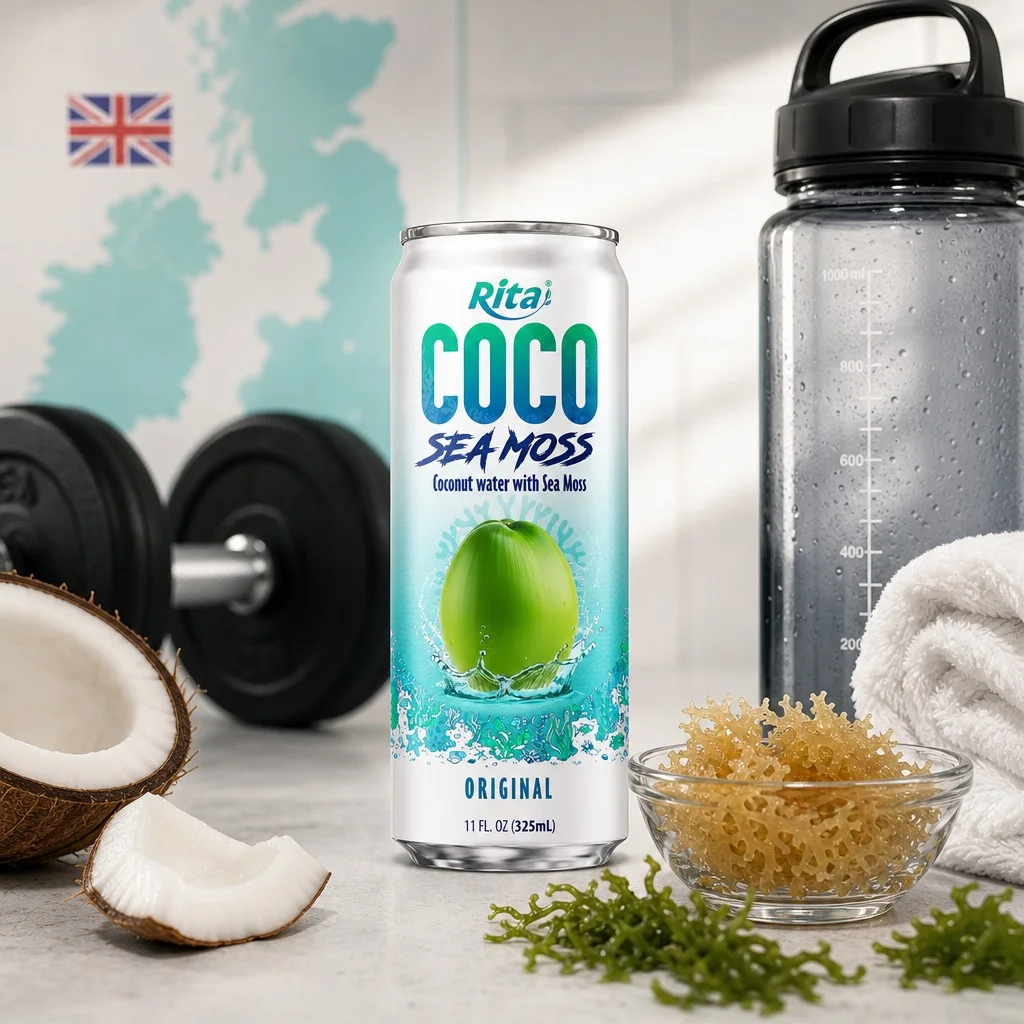
The introduction of Coco Sea Moss places a spotlight on the evolving preferences within the UK's non-alcoholic drink sector. Shoppers are increasingly exploring beverages that offer more than basic hydration, seeking out ingredients that carry a sense of trendiness or perceived simplicity. Sea moss, once a niche ingredient in wellness circles, has entered mainstream consciousness, and its pairing with the universally recognised profile of coconut water presents a compelling market proposition. This product is not positioned as a medical solution but as a taste-forward experience that aligns with contemporary consumption habits. It offers a lighter alternative to heavier, sugar-laden soft drinks, fitting neatly into the growing "better-for-you" category without making overt health claims. For retailers, stocking such a product provides an opportunity to cater to curious consumers and differentiate shelf offerings. The 325ml aluminium can, featuring a clean white, green, and teal design with coconut and sea imagery, is engineered for strong visual appeal in chiller units.
Product Profile and Market Alignment
At its core, the Coco Sea Moss drink is a blend of coconut water, water, sugar, sea moss flavour, and ascorbic acid. Its nutritional profile is calibrated for the modern UK consumer: a gentle sweetness with 4.5g of sugar per 100ml, a modest 20kcal per 100ml serving, and zero fat. The inclusion of 180mg of potassium per 100ml adds a mineral dimension. The taste experience is described as a clean, crisp, and subtly sweet profile with balanced acidity (pH 5.1±0.2), making it a refreshing choice for daytime consumption. This careful formulation is a direct response to market data indicating a consumer shift away from intensely flavoured drinks towards more nuanced, plant-based options. The product's 24-month shelf life and compact format make it ideal for the convenience store channel, a critical battleground in the UK beverage market.
RITA's Global Reach and Manufacturing Prowess
The launch of Coco Sea Moss is a testament to the capabilities of its manufacturer, RITA Food and Drink Co., Ltd. Established in 2004, the Vietnamese-based company has evolved into a major global OEM/ODM beverage supplier, exporting to over 200 countries and territories. With a production capacity supported by more than 50 automated lines and the ability to ship over 1,200 containers monthly, RITA provides the scale necessary for successful market penetration. This operational backbone is crucial for entering a discerning market like the UK, where consistency, quality, and supply chain reliability are paramount. RITA's portfolio spans tropical fruit juices, coconut products, energy drinks, and more, offering a wide range of packaging formats including aluminium cans, PET bottles, and glass. This versatility allows the company to tailor solutions to specific market needs, as demonstrated by the sleek can chosen for the Coco Sea Moss product. The company's robust certification portfolio, including BRC, FSSC 22000, ISO, and Halal, provides the necessary quality assurances for UK retailers and importers.
The Strategic Importance of Private Label Solutions
For UK retailers and brand owners, the availability of advanced private label services from manufacturers like RITA presents significant business opportunities. Rather than investing in full-scale production infrastructure, businesses can leverage RITA's R&D and manufacturing expertise to bring innovative concepts to market quickly. The Coco Sea Moss drink serves as a case study in this collaborative model—a product concept developed with deep market insight, manufactured to international standards, and supplied for global distribution. This approach reduces time-to-market and allows retailers to test emerging trends like sea moss with lower risk. As the demand for diversified beverage portfolios grows, the role of skilled OEM partners becomes increasingly vital. The success of such products can influence broader category trends, pushing competitors to innovate on flavour, ingredient transparency, and packaging design.
Navigating Consumer Trends and Retail Opportunities
The UK beverage market is characterised by rapid trend cycles and a consumer base that values both innovation and provenance. The entry of a product like Coco Sea Moss highlights several key consumer behaviour shifts. There is a palpable move towards beverages perceived as lighter and more natural, driving interest in coconut water and other plant-based drinks. Concurrently, there is a willingness to experiment with new ingredients, provided they are presented in an accessible and non-intimidating format. The 325ml can is precisely this—a familiar packaging format carrying an intriguing new combination. Retailers can position this product in multiple store zones: alongside functional waters for the health-conscious shopper, in international food aisles for those seeking novel tastes, or in impulse-buy areas near checkout.
Shelf Appeal and Competitive Differentiation
In a crowded market, differentiation is key. The Coco Sea Moss can design, with its ocean-inspired visuals and clear branding, aims to stand out. Unlike many coconut waters that rely solely on tropical motifs, this packaging incorporates coral and sea life illustrations, visually communicating the unique selling point of sea moss. This design intelligence is backed by RITA's understanding that packaging is a critical silent salesperson. For the UK market, where sustainability credentials are also important, the aluminium can is a recyclable and widely accepted format. The product does not compete directly with core coconut water brands but rather carves out a adjacent space for those who enjoy coconut's taste but are drawn to the novelty of sea moss. This nuanced positioning allows it to attract both new-to-category shoppers and existing coconut water drinkers seeking variety.
From Our Orchards: Raw Material Farms
The quality of RITA's beverages begins at the source. For coconut-based products like Coco Sea Moss, the company relies on sustainably managed plantations. The journey from farm to can is a critical component of the product story, ensuring the fresh, authentic taste that consumers expect. You can learn more about the origins of RITA's coconut supply by exploring our feature on the Ben Tre Coconut Farm, detailing the process from plantation to premium ingredient.
https://www.youtube.com/watch?v=I7hlTL3FT_0
Frequently Asked Questions
Coconut Water Global Market & Export Overview
Annual Global Trade Trend
| Year | Transactions (Lô) | Total Value (USD) | Total Weight (kg) | Total Quantity (Đơn vị) | YoY Change |
|---|---|---|---|---|---|
| 2025 | 30,736 | 587,357,440 | 521,062,036 | 288,325,563 | N/A |
| 2026 | 40,525 | 566,028,847 | 862,715,925 | 339,922,262 | Transactions +31.8%, Value -3.6%, Weight +65.6%, Quantity +17.9% |
Data source: Tradesparq Trade Data (tradesparq.com)
Top Origin Countries by Transaction Count
| Country | Transactions (Lô) | Total Value (USD) | Weight (kg) | Market Share % | Avg Price (USD/đv) |
|---|---|---|---|---|---|
| Vietnam | 31,532 | 407,282,796 | 341,508,843 | 44.9% | 1.32 |
| Argentina | 6,723 | 396,476,196 | 54,183,641 | 9.6% | 2.62 |
| Thailand | 6,402 | 6,548,648 | 247,372,932 | 9.1% | 0.18 |
| China | 3,677 | 8,441,002 | 128,233,281 | 5.2% | 0.26 |
| Philippines | 3,106 | 165,622,359 | 163,272,952 | 4.4% | 17.59 |
Data source: Tradesparq Trade Data (tradesparq.com)
Top Destination Countries by Transaction Count
| Country | Transactions (Lô) | Total Value (USD) | Weight (kg) | Market Share % | Avg Price (USD/đv) |
|---|---|---|---|---|---|
| United States | 33,501 | 376,251,733 | 1,118,492,507 | 47.3% | 1.51 |
| Australia | 3,262 | 54,453,356 | 438,020 | 4.6% | 2.46 |
| Vietnam | 3,175 | 40,383,813 | 8,023,765 | 4.5% | 1.37 |
| Singapore | 3,122 | 89,723,882 | 9,651,955 | 4.4% | 0.79 |
| Netherlands | 2,347 | 108,766,617 | 30,248,792 | 3.3% | 4.05 |
Data source: Tradesparq Trade Data (tradesparq.com)
Vietnam is the world's leading supplier by transaction volume, accounting for a 44.9% market share with an average price of $1.32 per unit, indicating a focus on large-volume, competitive-priced exports. The United States dominates as the top import destination, absorbing 47.3% of global transactions, with a high import weight of over 1.1 billion kg, reflecting strong demand from a major consumer market.
There is a clear distinction in market value: the United Kingdom ($5.54/unit), Philippines ($17.59/unit), and United States ($13.65/unit as an origin) represent high-value export segments, likely for premium, organic, or value-added products. In contrast, origins like Thailand ($0.18/unit) and China ($0.26/unit) supply low-cost bulk raw materials.